



Tax Accountant for Pet Boarding Businesses in Ontario and Across Canada
You sell kennel-nights against a fixed number of runs, and that one fact changes the accounting more than anything else about your business. Revenue is occupancy, occupancy has a ceiling, and the figure that actually governs your profit is revenue per available run-night rather than revenue in total — because the building, the heat, the overnight cover and the insurance are there whether the runs are full or empty, so the operating leverage cuts both ways and hard. Then there is the calendar: Christmas, March break and summer carry the year, and those bookings are taken months in advance with deposits. Money received before the stay is income under ITA paragraph 12(1)(a) and reserved out under ITA paragraph 20(1)(m) to the extent the boarding has not yet been provided, which is why a December year-end sitting next to a fully-deposited Christmas is exactly where a facility overstates its year. We split the building into Class 1, the runs, fencing, kennel panels and ventilation into Class 8, and a leased build-out into Class 13, accrue the overnight and weekend coverage that nothing else in pet care carries, and file your HST at 13% with the deposit provisions reviewed rather than assumed. Whether you run a boarding kennel, a cattery, an overnight daycare or a farm-based facility, we handle the occupancy, the deposits and the property — with AFFORDABLE flat fees.
AFFORDABLE Pet Boarding Tax Accountant
The most expensive mistake a boarding facility makes is a timing mistake, and it is baked into the way the business sells. Holiday bookings are taken far in advance and paid for with deposits, so by late December a facility with a December 31 year-end is holding cash for a Christmas and a March break it has not yet delivered. Taken into income on the day the card cleared, that cash produces a tax bill on work the business has not done, in the year it has the least left over after the heat, the wages and the insurance. Amounts received before the stay are included in income under ITA paragraph 12(1)(a) and reserved out under ITA paragraph 20(1)(m) to the extent the boarding has not yet been provided, and because cancellation terms are the norm in this trade, ETA section 181.2 on gift certificates and ETA section 182 on a forfeited deposit where an agreement is breached are both reviewed on your own paperwork rather than assumed either way. At Gondaliya CPA, we specialize in deposit timing, occupancy reporting and facility capital pools for boarding operators, providing AFFORDABLE flat-fee support that keeps you CRA-compliant and stops you paying more tax than you owe.
As a pet boarding businesses accountant, we work with boarding kennels, catteries, overnight daycare facilities and farm-based boarding operations across Ontario, with year-round support rather than a once-a-year scramble. We tell you what a run-night actually earned after the wages and the utilities behind it, how much of the cash in your account is boarding you still owe, and where your payroll and property exposure sits before CRA or a lender asks.
Let us handle the numbers so you can focus on the animals in your care and the next holiday season.
Our Official Partners









Accounting That Understands How a Pet Boarding Business Actually Works
A boarding facility is a capacity business, and almost nothing else in pet care is. You cannot sell more nights than you have runs, your costs barely move when the runs empty, your premises is the largest asset on the balance sheet, and someone has to be there overnight whether you are full or not. At Gondaliya CPA, we understand that reality and provide practical, industry-focused solutions across Ontario.
Stay Compliant and Minimize Your Pet Boarding Business Tax
For a boarding operator, staying onside with CRA and the authorities that reach your facility and paying the least legal tax are the same job. We keep every filing on schedule while claiming every facility, equipment and payroll dollar the T2 allows, so nothing is missed and nothing invites a reassessment.
Accounting & Tax Experts for Pet Boarding Businesses
- AFFORDABLE + Registered CPA Firm
- Business and Corporate Tax Expert
- Small & Medium Business Expert
- Accounting, bookkeeping, and tax filing
- CPA (Chartered Professional Accountant)
- 1450+ 5-star Google reviews
- 30-Day Money-Back Guarantee
- 60-Day Fees Matching Policy
Why Choose Our Accounting Services for Pet Boarding Businesses?
Tax Planning — Deposits & Year-End
We set your year-end against the holiday deposit book, reserve undelivered boarding under ITA paragraph 20(1)(m), split the Class 1 building from the Class 8 runs, and protect the $500,000 Small Business Deduction.
Consulting — Occupancy & Capacity
Our bookkeeping reports revenue per available run-night month by month against your actual run count, so you can see what each night earned and what an added run would be worth.
CRA Representation — Deposits & Payroll
When CRA tests your revenue against bank deposits, challenges a deferred deposit position or opens the kennel payroll line, we prepare the response and pursue relief on Form RC4288 where a prior error caused the penalties.
Bookkeeping — Cash Flow & Expansion
We build the cash flow that carries a quiet February, produce the CSRS 4200 statements your lender reads before funding more runs, and model the property structure years ahead of a sale.
Google Reviews
Pet Boarding Clients
Pet Boarding Tax and Accounting Services in Ontario
Corporate Tax Filing (T2) for Pet Boarding Businesses
Professional T2 preparation with deposits reserved for boarding not yet provided, the building in Class 1, the runs and ventilation in Class 8, and CRA compliance on every line.
Bookkeeping & Accounting for Pet Boarding Businesses
Books that separate deposits received from nights actually delivered, report revenue per available run-night monthly, and keep retail stock apart from product consumed in care.
Payroll Services for Pet Boarding Businesses
Overnight, weekend and relief coverage handled properly, with PD7A remittances, T4 and T4A slips filed on time and classification tested against the Form RC4110 factors.
GST/HST Filing for Pet Boarding Businesses
AFFORDABLE HST filing on boarding, daycare and add-on services at 13%, with the $30,000 registration threshold tracked and the deposit provisions reviewed rather than assumed.
Tax Planning for Pet Boarding Businesses
Smart tax planning on your year-end against the holiday deposit book, capital purchases across Class 1, Class 8 and Class 13, the Small Business Deduction, and the exit structure.
Corporate Catch-Up Filing for Pet Boarding Businesses
File overdue T2 and HST years, rebuild the deferred deposit position and facility capital pools you never had, and get back into CRA compliance with accurate catch-up support.
CRA Audit Resolution for Pet Boarding Businesses
Expert support on deposit timing, deferred revenue and kennel payroll classification audits, handled with confidence from the first letter.
CPA Financial Statements (Notice to Reader) for Pet Boarding Businesses
CPA-compiled financial statements that lenders accept, stating deferred deposits as a liability and the building, runs and leasehold separately from goodwill.
Incorporation Services for Pet Boarding Businesses
Full incorporation including NUANS, articles, share structure, and the section 85 rollover of your facility, runs, equipment and client base into the company.
Catch-Up Bookkeeping Services for Pet Boarding Businesses
Months or years of booking records, deposits, supplier invoices and payroll reconstructed and reconciled, so your revenue and occupancy figures are finally accurate.
Non-Resident Incorporation for Pet Boarding Businesses
Canadian incorporation for non-resident owners, with CRA registration, business banking setup, and ongoing T2 and GST/HST compliance handled for you.
Voluntary Disclosure Program for Pet Boarding Businesses
Come forward on unfiled T4A slips, deposits recognized too early or HST never registered before CRA calls, cancelling penalties through a Voluntary Disclosures Program application.
Accounting & Tax Services Tailored for Pet Boarding Businesses
Real, practitioner-level CPA expertise for boarding kennels, catteries, overnight daycare facilities and farm-based boarding operations across Ontario — built for a business that sells a fixed number of runs by the night.
- We prepare your T2 with GIFI on Schedule 100 and Schedule 125, separating overnight boarding, daycare days, add-on services sold alongside a stay and retail sales onto their correct lines so CRA’s matching reads your return properly.
- We reserve amounts received for boarding not yet provided under ITA paragraph 20(1)(m), so a Christmas week booked and paid for in October is taxed in the year the animals actually occupy the runs.
- We claim capital cost allowance on Schedule 8 with an owned kennel building in Class 1, runs, fencing, kennel panels, play structures, heating and ventilation equipment in Class 8 at 20%, and a leased facility build-out in Class 13 over the lease.
- We split computers into Class 50 at 55%, booking and office software into Class 12 at 100%, and goodwill with any acquired client base into Class 14.1 at 5%, rather than pooling the whole facility in one class.
- We attach an occupancy schedule behind the return that ties kennel-nights sold to run-nights available, so the revenue figure on the T2 can be explained from your own booking records rather than defended from memory.
- We build your books from gross boarding revenue rather than the net amount that lands in the bank, splitting processing fees, add-on services and retail sales into their own accounts so nothing disappears inside a single deposit line.
- We carry a deferred deposit liability for every stay booked and paid for but not yet provided, because a facility holding holiday money in November does not own that money until the animals are in the runs.
- We report revenue per available run-night every month against your actual run count, which is the one figure that tells you whether a quiet February was a pricing problem, a marketing problem or simply the season.
- We keep retail product sold at pickup as inventory under ITA section 10, valued consistently, and separate from bedding, cleaning product and consumables used in caring for a boarded animal, which are supplies expensed as used.
- We capture facility, utility, feed, equipment and payroll invoices and reconcile monthly, keeping the six years of records ITA section 230 requires and making sure no recoverable input tax credit on your build-out is quietly lost.
- We test your kennel attendants, overnight staff, weekend relief and holiday casuals against the Form RC4110 factors — control, tools, chance of profit and risk of loss, integration — because that is how the question is decided, never on the invoice.
- We file T4A slips on the people who are genuinely contractors, so the relief and holiday coverage you deducted is reported the way CRA expects instead of sitting in an unsupported subcontract total nobody can explain.
- We accrue overnight and weekend coverage as it is earned rather than when it happens to be paid, because in a boarding facility someone is on site or on call whenever the animals are, every single night.
- We remit source deductions on the PD7A by the 15th of the following month, because CRA’s late-remittance penalty on source deductions reaches 10% on a graduated basis, and we register WSIB coverage from your first hire.
- We file your T4 slips and T4 Summary by the last day of February, reconcile them to the PD7A remittances actually made, and monitor Ontario payroll against the $1,000,000 Employer Health Tax exemption as your headcount grows.
- Boarding, daycare days and the add-on services sold alongside a stay are ordinary taxable supplies at 13% in Ontario — there is no health care exemption for animals — and we file your GST34 returns on that basis every period.
- We track your taxable supplies against the $30,000 registration threshold measured over four consecutive calendar quarters, because this is the single event most owner-operators are unprepared for after a strong first holiday season.
- We review deposits and cancellation charges against ETA section 181.2 on gift certificates and ETA section 182 on a forfeited deposit where an agreement is breached, rather than assuming either provision applies to your paperwork.
- We recover the input tax credits sitting in your facility build-out, your kennel panels and fencing, your heating and ventilation work, your utilities and your feed and bedding purchases, which on a boarding file is a large recurring number.
- We keep the retail line and the service line distinct inside the return, so stock sold at pickup and nights of boarding are both captured correctly instead of being blended into one unexplainable sales figure.
- We set your fiscal year-end against the shape of your deposit book, because a December 31 year-end sitting next to a fully-deposited Christmas is the single most reliable way for a boarding facility to overstate its year.
- We time facility and equipment spending against that year-end, weighing the 20% Class 8 rate on runs, fencing and ventilation against the Class 1 treatment of the building itself and the 55% Class 50 rate on computers.
- We set the salary-versus-dividend mix for the owner, paying enough T4 salary to build RRSP room while the balance flows as dividends, so combined tax stays near the 11.2% Ontario small-business rate instead of 53.53%.
- We keep your active income under the $500,000 Small Business Deduction limit using ITA section 125, and watch the associated-corporation rules where the same owner also holds the real property in a second company.
- We plan at least two years ahead so your shares qualify for the $1.25M Lifetime Capital Gains Exemption under ITA 110.6, purifying retained cash that would otherwise fail the active-business asset test on a sale.
- We reconstruct boarding revenue, daycare days, add-on services and retail sales from your booking records, processor statements and bank deposits across every unfiled year, rebuilding the six years of records ITA section 230 requires.
- Late filing costs 5% of the balance owing plus 1% per month up to twelve months, so we file your oldest unfiled T2 first to stop the penalty compounding and limit the arrears interest CRA charges on top.
- We rebuild the deferred deposit position year by year, because a catch-up filing that recognized every holiday deposit on receipt overstates income in the year it was collected and understates it in the year the boarding was delivered.
- We rebuild the capital pools across the missing years, separating the building into Class 1, the runs, fencing and ventilation into Class 8 and a leased build-out into Class 13, recovering deduction understated in every year it ran.
- We file a Voluntary Disclosures Program application on Form RC199 before CRA contacts you, because a disclosure accepted under the general program cancels penalties in full and gives roughly 50% interest relief on the older years.
- When CRA tests your revenue against bank deposits, we produce the deferred deposit reconciliation and the ITA paragraph 20(1)(m) reserve, because holiday money sitting in the account is not the same thing as income already earned.
- When CRA challenges the kennel payroll and contractor line, we produce the agreements, the schedules and the Form RC4110 analysis for each attendant and relief worker, because that line is where a boarding audit almost always begins.
- When CRA questions your input tax credits on a facility build-out, we produce the contractor invoices, the capital schedule and the Class 1, Class 8 and Class 13 allocation that supports each claim period by period.
- When CRA opens a full audit, we manage the file and answer the revenue, credit and payroll queries inside the deadlines, so a one-year review does not expand across the three prior years CRA is able to reopen.
- We file the Notice of Objection within 90 days of a reassessment and pursue taxpayer relief on Form RC4288, cancelling penalties and interest where a prior accountant’s error caused them, and protecting your Tax Court rights throughout.
- We prepare the CSRS 4200 compilation engagement financial statements a lender requires across two fiscal years for the loan that adds runs, replaces a ventilation system or buys the facility next door.
- Your compiled statement of financial position shows deferred deposits as the liability they are, so holiday money banked against stays nobody has delivered yet is not read by a lender as equity you already own outright.
- We state the building, the runs and fencing, and the leasehold improvements separately from goodwill and an acquired client base, because a lender and a buyer value a kennel structure on completely different evidence from a client list.
- We build the statement of operations with boarding, daycare, add-on service and retail revenue classified consistently across two years and tied to the T2 filed with CRA, so the bank accepts the file without further questions.
- We deliver the compiled statements within 30 days of receiving your records and the year’s T2 figures, because a facility that needs runs built before the next holiday season cannot wait for a slow accountant to catch up.
- We incorporate your boarding business under the Ontario Business Corporations Act, giving you limited liability and roughly the 11.2% Ontario small-business rate on the first $500,000 of active income against 53.53% personally.
- We complete the section 85 rollover on Form T2057, transferring your existing kennel building or build-out, runs, equipment, vehicle and client base into the corporation at elected amounts, deferring the capital gain a straight sale would trigger.
- We set the opening Class 1, Class 8, Class 13, Class 50, Class 12 and Class 14.1 schedules from the rollover, so the corporation starts with an asset base that is correct rather than reconstructed years later.
- Where you own the land and building, we model whether the real property belongs in the operating company or in a separate holding company, because the answer changes the tax on a future sale — and we model it rather than assume it.
- We open the corporation’s CRA Business Number, HST and payroll accounts within the first 30 days and set a chart of accounts with gross boarding revenue, deferred deposits and retail inventory built in from the first night.
- We rebuild months or years of neglected books from your booking records, processor statements, utility and feed invoices and payroll records, so an operator who ran three holiday seasons without bookkeeping finally gets a ledger that ties.
- We separate deposits received from nights actually delivered across the whole backlog, which is the single correction that changes both the revenue figure and the liability on the balance sheet in every affected year.
- We rebuild the facility and equipment schedule from purchase invoices and split it across Class 1, Class 8, Class 13, Class 50 and Class 12, which is almost always pooled incorrectly when we inherit a boarding file.
- We recover the input tax credits buried in unentered build-out, equipment, utility, feed and bedding invoices, because two or three years of unfiled purchases on a facility this capital-heavy can hide five figures of credits.
- We reconstruct the deferred deposit liability and the retail inventory balance at each year-end across the caught-up months, so an accurate T2 can be filed without guessing how much of the banked cash was boarding still owed.
- We incorporate federal or Ontario corporations for non-resident owners, including the name search, articles of incorporation, and corporate minute book setup.
- We advise on director and registered office requirements and register the new corporation with the CRA for a business number and the program accounts it needs.
- We guide non-resident owners through opening a Canadian business bank account and set up bookkeeping from day one so records are ready for year-end.
- We prepare and file the corporation’s T2 return, GST/HST returns, and other required CRA filings so the business stays compliant while you are outside Canada.
- We plan how profits are paid to non-resident shareholders, taking into account Part XIII withholding tax and reduced rates available under Canada’s tax treaties.
- We bring your company forward on relief, overnight and holiday coverage paid for years with no T4A slips filed, because the per-slip penalties and the classification exposure both sit behind that one subcontract line.
- We correct deposits taken into income entirely on receipt with no reserve for undelivered boarding, which is a quiet and cumulative error on a business that collects in October and fills its runs over Christmas and March break.
- We disclose periods where taxable supplies had passed the $30,000 threshold and no HST registration was in place, correcting the net tax before a reviewer finds the same gap and assesses penalties and interest on top of it.
- We file your VDP submission on Form RC199 with a full reconstruction from booking records, processor statements and bank deposits, so an operator who outgrew their bookkeeping is not left facing an arbitrary CRA assessment.
- We confirm your disclosure is genuinely voluntary before CRA contacts you — the single condition that makes it valid — and secure the roughly 50% interest relief on the older years, turning a prosecution risk into a managed correction.
Pet Boarding Occupancy & Tax Check
Six quick questions on your occupancy reporting, your holiday deposits, your gross revenue, your retail inventory, your facility capital pools and whether it is time to incorporate. No fee shown.
1. Can you state your revenue per available run-night for each month of last year?
2. Are deposits for stays not yet provided reserved under ITA paragraph 20(1)(m)?
3. Are your books built from gross boarding revenue rather than the net bank deposit?
4. Is retail stock carried as inventory separately from product consumed in care?
5. Are the building, the runs and any leasehold build-out in the correct CCA classes?
6. Is your pet boarding business incorporated?
Free CPA Consultation for Pet Boarding Businesses
Case Studies: Pet Boarding Accounting & Tax
Durham Region Boarding Kennel — The Christmas Deposits Taxed a Year Early
The problem: A Durham Region kennel took holiday bookings from early October and required a deposit on each one. Every dollar collected before the December 31 year-end had been taken into income on the day it cleared, including deposits for a Christmas week and a March break that had not happened yet. The corporation was paying tax on boarding it had not provided, in the year it had the least cash left after the heat, the overnight wages and the insurance.
What we did: We reconstructed the deposit book from the facility’s own booking records, reserved the undelivered portion under ITA paragraph 20(1)(m), carried the balance as a deferred deposit liability, and restated the prior year on the same basis.
The result:
- $268,000 of deposits reserved into the year the boarding was provided
- $32,696 of corporate tax deferred to the following year
- Deferred deposits now reported monthly, not discovered at year-end
Hamilton Boarding and Daycare Facility — Nobody Could Say How Full the Runs Were
The problem: A Hamilton facility with 42 runs had never measured anything but total sales. The owner could not say how full the runs had been in any given month, could not tell whether a soft February was priced wrong or simply quiet, and could not answer a lender who asked how a loan for eight more runs would be serviced. Boarding, daycare days, add-on services and retail sales all arrived in one undifferentiated revenue account.
What we did: We rebuilt the chart of accounts to separate boarding, daycare, add-on services and retail, tied kennel-nights sold to run-nights available from the facility’s own booking records, and built a monthly report of revenue per available run-night alongside the fixed cost base that does not move with occupancy.
The result:
- Revenue per available run-night reported monthly across 42 runs
- 11 hours a month of manual spreadsheet work eliminated
- Expansion loan approved on CSRS 4200 statements across two years
Ottawa Boarding Facility — A Whole Build-Out Pooled in One Class
The problem: An Ottawa operator had bought a property, converted an outbuilding into 24 runs, and installed fencing, kennel panels, play structures and a new ventilation system. The prior accountant had pooled the entire project — land, building, runs, fencing and ventilation together — into a single capital figure with no allocation behind it, and the office computers and booking software had gone into the same pool. Three years of capital cost allowance had been computed on a schedule that could not be supported.
What we did: We rebuilt the capital schedule from the purchase and contractor invoices, allocating the building to Class 1, the runs, fencing, kennel panels, play structures and ventilation to Class 8, computers to Class 50 and software to Class 12, and amended the open years.
The result:
- $47,180 of understated capital cost allowance recovered across three years
- Class 1, Class 8, Class 50 and Class 12 pools correctly separated
- Property-holding structure modelled ahead of a future sale
Our clear, efficient process ensures every step is transparent, building trust and long-term client relationships.
Kickoff (Document Request)
Collect prior T2 returns, your booking and deposit records, your run count, the purchase or lease for the facility, build-out and equipment invoices, utility and feed bills, payroll records, your cancellation terms, and bank statements.
First 30 Days (Cleanup & Setup)
Separate boarding, daycare, add-on services and retail into their own accounts, establish the deferred deposit liability, rebuild the Class 1, 8, 13, 50 and 12 schedules, and run the Form RC4110 analysis on your staff.
Monthly Close
Revenue per available run-night against your run count, deferred deposits updated, retail inventory counted, gross-to-net bank reconciliation, GST34 filed, and overnight and weekend payroll accrued and reconciled to the PD7A.
Quarterly Planning Review
Salary and dividend mix, year-end timing against the deposit book, capital spending across Class 1, Class 8 and Class 13, the property-holding question modelled, and cash flow through the quiet months between holiday seasons.
Year-End Close & T2 Filing
Trial balance, financial statements with deferred deposits stated as a liability and the building and runs shown separately, the ITA paragraph 20(1)(m) reserve settled, T2 with GIFI, and CRA preparation.
Get Your Pet Boarding Business Taxes Done Right Today
Affordable Pricing for Pet Boarding Businesses
We believe in clear, upfront pricing so you know exactly what to expect. All fees include HST.
- Tax Preparation (Corporation) — From $400
- Tax Return Filing (Corporation) — From $400
- Tax Compliance Audit — FREE CRA audit support for our clients
- Tax Strategy — FREE for our clients
- Accounting Base Plan — From $100 per month
- Bookkeeping Management — Free for our Accounting clients
- Financial Reporting — Free for our Accounting clients
- Business Formation — Flat $35
- Incorporation Process — Flat $35
- Entity Setup Assistance — Flat $35
- Full-Service Payroll — From $125 per month
Payment is by Interac e-Transfer to info@gondaliyacpa.ca only. Security question: Not Applicable, as auto-deposit is enabled.
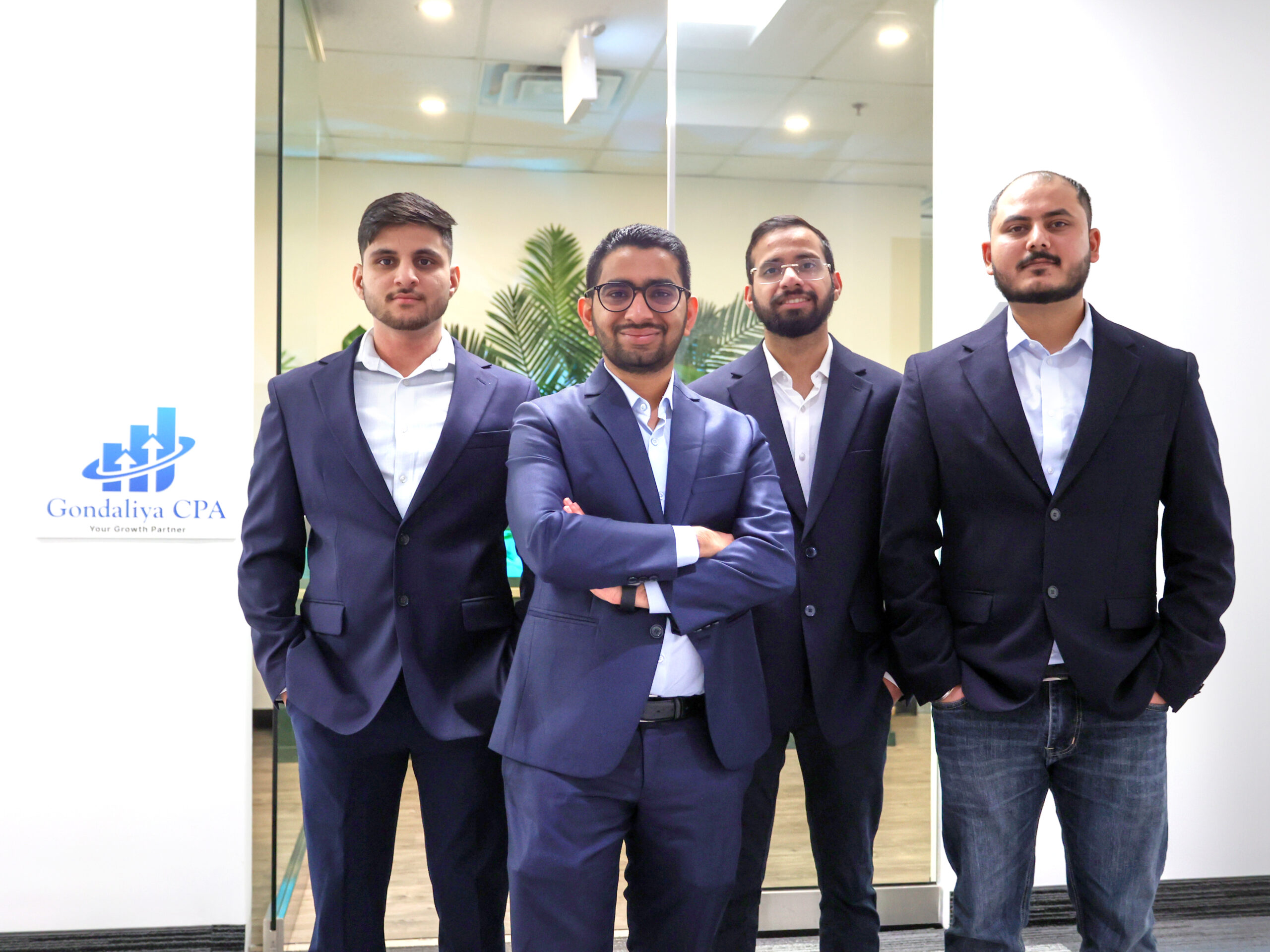
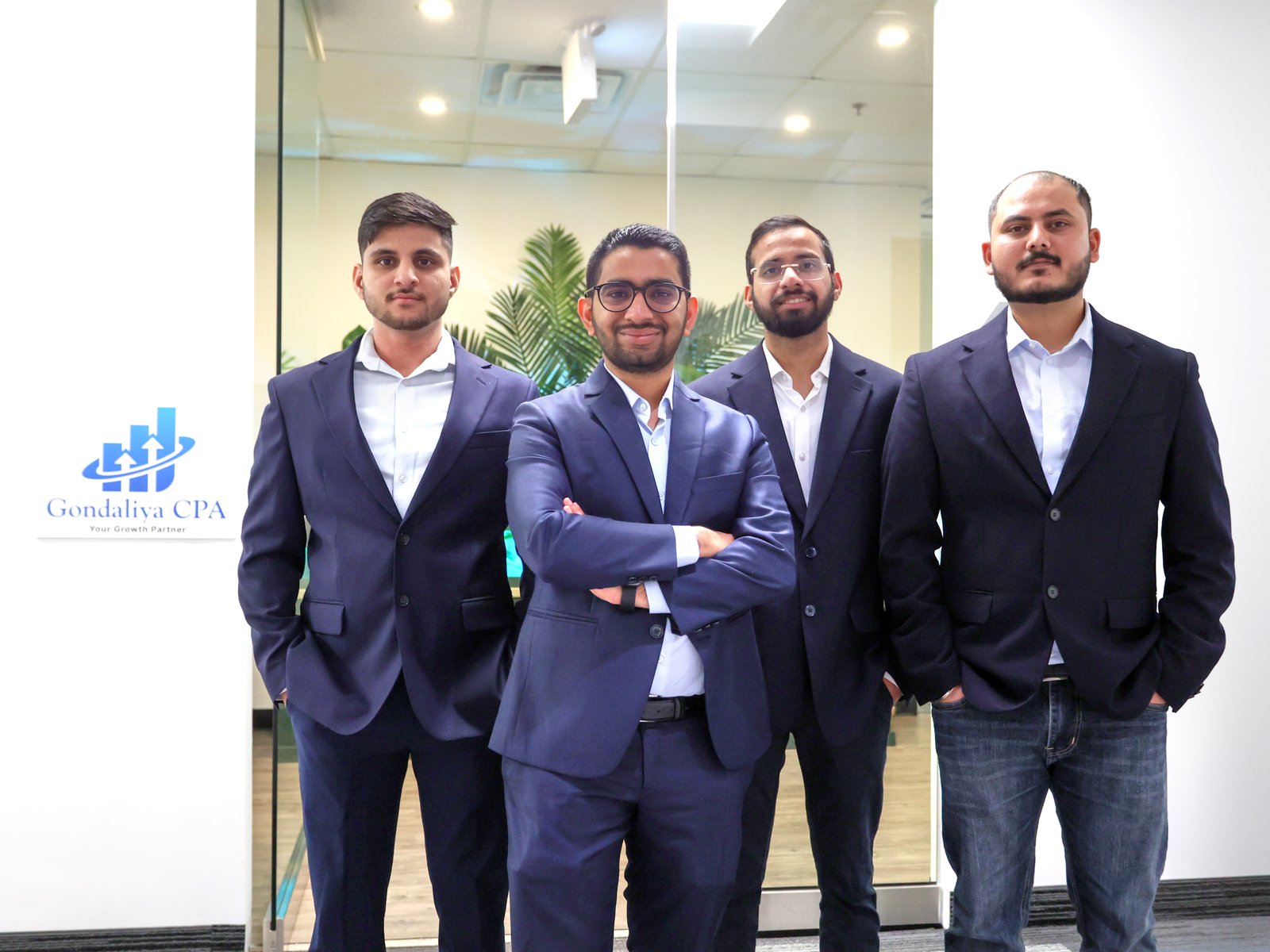
Meet Your Lead Pet Boarding Accountant
Meet your lead pet boarding accountant. As your facility and corporate tax adviser, you deal with the same two people every year.


What Our Clients Say
1450+ five-star reviews from boarding kennels, catteries, daycare facilities and local service businesses across Ontario and Canada.
Serving Pet Boarding Businesses Across Ontario
Our CPA team provides specialized accounting and tax solutions for boarding kennels, catteries, overnight daycare facilities and farm-based boarding operations throughout Ontario. We understand why revenue per available run-night governs a capacity business, why a holiday deposit collected in October is not income until the animals are in the runs, how the building, the runs and a leased build-out split across different capital cost allowance classes, and what CRA looks at first when it opens a boarding file.
Toronto (ON)
55 Queen St E Ste 1205, Toronto, ON M5C 1R6, Canada
+1 (647) 212-9559
9:00 AM – 8:30 PM (Mon – Sun)
Mississauga (ON)
2100 Camilla Rd #716, Mississauga, ON L5A 2J8
+1 (647) 212-9559
9:00 AM – 8:30 PM (Mon – Sun)
Brampton (ON)
4 Starhill Crescent, Brampton, ON L6R 2P9, Canada
+1 (647) 212-9559
9:00 AM – 8:30 PM (Mon – Sun)
Scarborough (ON)
24 Clementine Square, Scarborough, ON M1G 2V7, Canada
+1 (647) 212-9559
9:00 AM – 8:30 PM (Mon – Sun)
Vaughan (ON)
19 Cabinet Crescent, Woodbridge, ON L4L 6H9, Canada
+1 (647) 212-9559
9:00 AM – 8:30 PM (Mon – Sun)
Oshawa (ON)
210 Durham St, Oshawa, ON L1J 5R3, Canada
+1 (647) 212-9559
9:00 AM – 8:30 PM (Mon – Sun)
Ottawa (ON)
2090 Neepawa Ave a314, Ottawa, ON K2A 3L6, Canada
+1 (647) 212-9559
9:00 AM – 8:30 PM (Mon – Sun)
Etobicoke (ON)
60 Stevenson Rd #1601, Etobicoke, ON M9V 2B4, Canada
+1 (647) 212-9559
9:00 AM – 8:30 PM (Mon – Sun)
Hamilton (ON)
70 Starling Dr, Hamilton, ON L9A 0C5, Canada
+1 (647) 212-9559
9:00 AM – 8:30 PM (Mon – Sun)
Guelph (ON)
1155 Gordon St, Guelph, ON N1L 1S8, Canada
+1 (647) 212-9559
9:00 AM – 8:30 PM (Mon – Sun)
Windsor (ON)
4387 Guppy Ct, Windsor, ON N9G 2N8, Canada
+1 (647) 212-9559
9:00 AM – 8:30 PM (Mon – Sun)
North York (ON)
150 Graydon Hall Dr #912, North York, ON M3A 3B2, Canada
+1 (647) 212-9559
9:00 AM – 8:30 PM (Mon – Sun)
Pet Boarding Accounting & Tax FAQs
Related Industries We Serve
Accountant for Veterinary Practices
- Clinic premises and equipment pools
- Inventory separated from supplies used
- Corporate tax filing and statements
Accountant for Gyms
- Prepaid memberships and deferred revenue
- Leasehold build-out capital pools
- Corporate tax planning and bookkeeping
Accountant for Wedding Venues
- Deposits booked far in advance
- Fixed capacity and seasonal demand
- Corporate tax filing and statements
Accountant for Pilates Studios
- Prepaid class packages reserved
- Instructor classification on the facts
- Corporate tax planning and advisory
Pet Boarding Accounting & Tax Done Right.
Revenue per available run-night reported every month against your actual run count, deposits for stays not yet provided included under ITA paragraph 12(1)(a) and reserved under ITA paragraph 20(1)(m) so a fully-booked Christmas is not taxed a year early, cancellation terms read against ETA sections 181.2 and 182 rather than assumed, the building in Class 1 split from the runs, fencing and ventilation in Class 8 and a leased build-out in Class 13, overnight and weekend coverage accrued as earned with classification tested on the Form RC4110 factors, retail stock carried as inventory under ITA section 10, and HST filed at 13% with the $30,000 threshold tracked. AFFORDABLE flat fees, no hourly billing. Licensed CPA Ontario. 1450+ five-star reviews. 30-Day Money-Back Guarantee.