



Dental Accounting Services for Ontario Practices
The accounting a dental practice actually needs: a Dental Professional Corporation structured for the Small Business Deduction, the mixed exempt-and-taxable HST handled properly, associate classification defended, and clean financial statements behind your T2. All by a licensed CPA.
Google Reviews
Dental Practices Are Not Ordinary Small Businesses
A dental practice carries tax questions a generalist accountant rarely handles well. Your Dental Professional Corporation exists to keep active income at the low corporate rate and defer personal tax, but only if the share structure, salary-versus-dividend mix and income-splitting all follow the rules. Your revenue is mostly HST-exempt, yet the cosmetic work, product sales and resold lab work are taxable, making you a mixed supplier owed partial input tax credits most practices never claim.
Book Free Consultation
Our Dental Accounting Services
DPC Corporate Tax
Your Dental Professional Corporation T2 prepared and filed with full planning, not just compliance.
Mixed HST
Exempt clinical and taxable cosmetic supplies separated, with the partial input tax credits most practices miss.
Monthly Bookkeeping
Clean, reconciled books every month, set up so the HST apportionment works from the start.
Financial Statements
Notice to Reader statements for lenders and RCDSO review, with a balance sheet that matches real equity.
Tax Planning
Salary-versus-dividend mix, deferral and income splitting planned before your year end.
Personal Tax
Your personal T1 prepared and coordinated with the corporation so the whole picture lines up.
Dental Accounting by a Licensed CPA
Every part of dental accounting handled correctly, from DPC tax to the mixed HST. All fees include HST.
Dental Professional Corporation Tax
The DPC is the foundation of dental tax planning, but only when run correctly.
- Low corporate rate on the first $500,000 of active practice income through the Small Business Deduction.
- Income kept in the DPC taxed at the low rate, deferring personal tax.
- Certificate of Authorization from the RCDSO confirmed before the DPC bills patients.
- Voting shares with the dentist, non-voting shares limited to permitted family.
- Inactive DPC kept as a holding company for investments where it suits your plan.
The Mixed HST Problem
Almost every practice gets this wrong, in one direction or the other.
- Most clinical dental services are HST-exempt, so no HST is charged on them.
- Cosmetic work, product sales and resold lab work are taxable supplies.
- The practice becomes a mixed supplier owed proportionate input tax credits.
- Registration required once taxable supplies exceed $30,000.
- Apportionment set up so partial credits are recovered without audit risk.
Associate & Hygienist Classification
The CRA audits dental practices specifically on this. Wrong costs both ways.
- Each associate and hygienist reviewed against the CRA control and integration test.
- Employees go on payroll with a T4, genuine contractors on a T4A.
- Most hygienists are employees, despite the common contractor practice.
- Contractor relationships documented with engagement agreements and control-test evidence.
- Assistants, reception and office staff always treated as employees.
Bookkeeping & Financial Statements
Clean books are what make correct HST and an accurate balance sheet possible.
- Exempt and taxable revenue separated so the mixed-supplier HST works.
- Billings reconciled to insurance remittances and bank deposits.
- Equipment and capital cost allowance schedule maintained on chairs and imaging.
- Retained-earnings carryforward corrected so the balance sheet matches real equity.
- Notice to Reader statements prepared for the T2, lenders and RCDSO review.
Compensation & Tax Planning
The corporation only delivers if it is planned every year.
- Salary-and-dividend mix set before your year end, balancing RRSP room and the splitting rules.
- Deferral captured by keeping income in the DPC at the low rate.
- Income splitting through non-voting family shares, within the Tax on Split Income limits.
- Continuing education, RCDSO fees and conference travel claimed as deductions.
- Personal T1 coordinated with the DPC so instalments and RRSP room line up.
CRA Support & Practice Transitions
Whether you are audited, buying, selling or just catching up, we handle it.
- Dental audits on classification, cosmetic HST and billing-to-insurance discrepancies handled.
- Billings reconciled to insurer data so revenue on the T2 stands up.
- Practice purchase or sale structured, with the Lifetime Capital Gains Exemption modelled.
- Books, HST and unfiled T2s brought current where a practice is behind.
- Retained earnings and HST reviewed first, since that is where problems hide.
Free Dental Accounting Consultation
Free Dental Accounting Consultation
Case Studies
Missed HST Credits Recovered
A single-location practice was doing tens of thousands a year in whitening and adult cosmetic work without separating it from exempt clinical revenue, and claiming no partial input tax credits. We set up the mixed-supplier apportionment, registered correctly, and recovered the credits it was owed on general costs. The figures here are illustrative of the work we do, not a specific client file.
Retained Earnings Corrected
A dentist who had changed accountants twice had a Schedule 100 balance sheet that no longer matched real equity, and a lender had queried it. We reconciled the opening balances and corrected the retained-earnings carryforward so the statements were accurate for financing and RCDSO review. The figures here are illustrative of the work we do, not a specific client file.
Salary and Dividend Mix Optimised
An incorporated dentist was taking all dividends, building no RRSP room and missing deferral opportunities. We modelled the salary-and-dividend mix against their income and family, set the compensation for the year, and used the corporation for deferral. The figures here are illustrative of the work we do, not a specific client file.
Associate Classification Defended
A practice paying two associates on T4A faced CRA questions on whether they were really employees. We reviewed the arrangements, documented the contractor relationship with proper engagement agreements and control-test evidence, and the treatment held. The figures here are illustrative of the work we do, not a specific client file.
Your Dental Professional Corporation and Its Tax Advantages
A DPC is the foundation of dental tax planning, but only when it is structured and run correctly. Here is what it does and what it requires.
| Feature | What It Means for You |
|---|---|
| Small Business Deduction | Low corporate rate on the first $500,000 of active practice income |
| Tax deferral | Income kept in the DPC is taxed at the low rate, deferring personal tax |
| Salary vs dividend | A planned mix that balances RRSP room, deductions and the splitting rules |
| Certificate of Authorization | Required from the RCDSO before the DPC can bill patients |
| Share structure | Voting shares with the dentist, non-voting shares limited to permitted family |
| Inactive DPC option | Can continue as a holding company for investments, filing nil T2s |
The corporation only delivers if it is planned every year. A DPC that files a T2 with no planning cycle leaves deferral and income-splitting on the table. We set the compensation mix before your year end and keep the structure compliant with RCDSO rules. See our associate dentist tax planning.
The HST Problem Almost Every Dental Practice Gets Wrong
Most clinical dental services provided for a patient's health are HST-exempt: exams, cleanings, fillings, extractions, crowns, root canals, dentures, medically indicated orthodontics. You do not charge HST on them, and you generally cannot claim input tax credits on the costs behind them. So far, simple. The complication is that a typical practice also does taxable work: purely cosmetic procedures like elective whitening and cosmetic-only veneers, retail product sales, and lab work resold to other dentists.
That makes your practice a mixed supplier, and it changes everything. Once your taxable supplies exceed $30,000 you must register and collect HST on them, and, importantly, you become entitled to claim a proportionate share of the input tax credits on your general costs, rent, utilities, supplies and more. Most practices either miss those partial credits entirely, losing real money, or claim too much and create an audit risk. We set up the apportionment once and run it every month so your HST is both correct and complete.
Cosmetic work quietly crosses the HST threshold. A practice doing steady whitening and adult cosmetic treatment can pass $30,000 in taxable supplies without noticing, triggering a registration obligation it has missed for years. We separate exempt from taxable from the start so this never creeps up on you.
Associate and Hygienist Classification
The CRA audits dental practices specifically on whether associates and hygienists are employees or contractors. Getting it wrong is expensive both ways.
| Worker | Usual Status | Why It Matters |
|---|---|---|
| Associate: set hours, your direction, your equipment | Employee | Belongs on payroll with a T4, not a T4A |
| Associate: own hours, own tools, multiple clinics | Contractor | T4A or paid via their own corporation, must be documented |
| Hygienist on a set schedule with clinic equipment | Employee | Most hygienists fall here despite common practice |
| Assistants, reception, office staff | Always employee | No contractor argument, always on payroll |
A wrong answer costs both ways. Treat a contractor as an employee and you overpay source deductions; treat an employee as a contractor and you sit on a reassessment for unremitted CPP and EI plus penalties. We document each arrangement with proper engagement agreements and control-test evidence. See our dental office payroll services.
Practice Bookkeeping and Financial Statements
Clean monthly books are what make everything else work: correct HST, an accurate balance sheet, and statements that hold up for lenders and the RCDSO.
| What We Do | Why It Matters for Your Practice |
|---|---|
| Separate exempt and taxable revenue | Makes the mixed-supplier HST apportionment possible |
| Reconcile billings to insurance and deposits | Closes the revenue discrepancy the CRA looks for |
| Maintain the equipment and CCA schedule | Correct capital cost allowance on chairs, imaging and build-outs |
| Track the shareholder loan account | Keeps your draws and repayments clean for tax |
| Correct retained-earnings carryforward | Balance sheet matches real equity for lenders and RCDSO |
| Prepare Notice to Reader statements | Financial statements behind your T2 that stand up to review |
What Our Dental Accounting Service Includes
Everything a practice needs, on a flat fee. No hourly billing. All fees include HST.
| Included | What We Do |
|---|---|
| DPC corporate tax (T2) | We prepare and file your dental corp T2 with full planning. |
| Mixed HST | We separate exempt and taxable supplies and file your HST with correct partial ITCs. |
| Monthly bookkeeping | We keep your books clean and reconciled every month. |
| Financial statements | We prepare Notice to Reader statements for lenders and the RCDSO. |
| Tax planning | We set the salary-and-dividend mix and plan deferral and splitting. |
| Personal tax | We prepare your personal T1 and coordinate it with the corporation. |
Why Choose Gondaliya CPA for Dental Accounting?
Dental-Specific Expertise
Mixed HST, DPC planning and associate classification handled by a team that knows dental.
Licensed CPA Ontario
A certified CPA team stands behind every return and every statement.
Flat Fee, Quoted Upfront
All fees including HST, no hourly billing, no surprises.
Fully Remote
Your practice accounting handled through our secure portal, wherever you are.









Transparent Flat-Fee Dental Accounting Pricing
| Service | Fee | Frequency | Details |
|---|---|---|---|
| Dental Accounting Consultation | FREE | Same day | Review of your HST treatment, structure and retained earnings with an exact flat-fee quote. |
| DPC Year-End & T2 | Quoted upfront | Annual | Financial statements, corporate tax return and tax planning for your dental corp. |
| Monthly Bookkeeping & HST | Quoted upfront | Monthly | Clean books with exempt and taxable revenue separated and HST filed. |
| Full Practice Package | Quoted upfront | Annual | Bookkeeping, HST, T2, financial statements and personal tax together. |
| DPC Incorporation | Quoted upfront | One-time | Incorporation, share structure and CRA account setup for your practice. |
All fees include HST, so the number quoted is the number you pay. Payment is by Interac e-Transfer to info@gondaliyacpa.ca with auto-deposit enabled and the security question set to Not Applicable. Please use our pricing calculator for an exact figure.
Know Your Exact Fee Before We Start
Flat fee, fixed in advance. All fees include HST. 30-Day Money-Back Guarantee.
Dental Accounting: Cities We Serve
Licensed CPA accounting for dental practices across Ontario, delivered virtually.
Frequently Asked Questions
Meet Your Dental Accounting Specialists

Sharad Gondaliya, CPA
Founder & Managing Director
Gondaliya CPA Professional Corporation
Sharad advises dental practices on DPC structuring, mixed HST, tax planning and CRA matters.
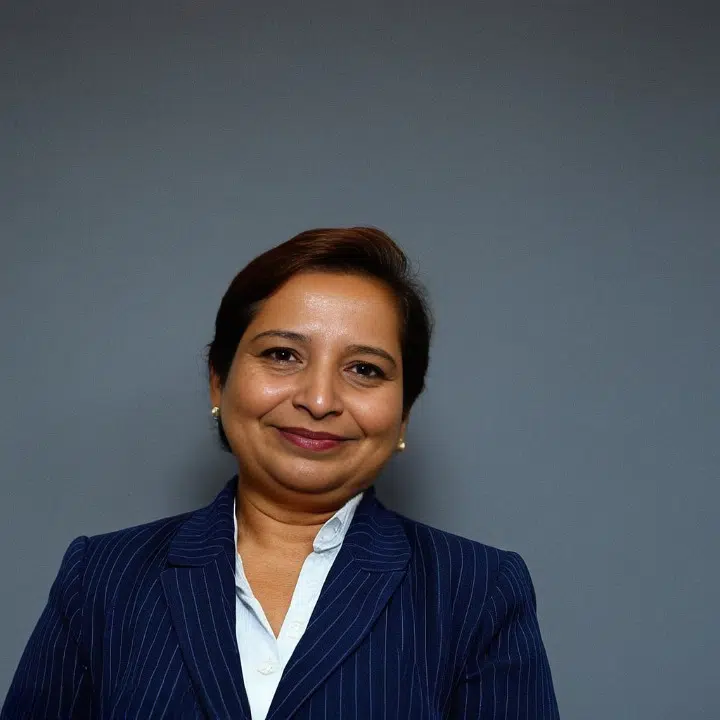
Vandana Goel, CPA
Senior Accountant
Gondaliya CPA Professional Corporation
Vandana runs practice bookkeeping, HST apportionment, financial statements and year-end for dental clients.
What Our Clients Say
1300+ five-star reviews from business owners across Ontario and Canada.
Related Industries We Serve
Accounting for Healthcare Providers
- Corporate tax planning for healthcare providers
- Business tax filing for clinics
- Payroll services for healthcare staff
Accounting for Pharmacists
- Corporate tax planning for pharmacies
- Bookkeeping for pharmacy businesses
- Payroll & compliance services
Accounting for Chiropractors
- Corporate tax planning for chiropractors
- Bookkeeping & payroll services
- Business tax filing & advisory
Accounting for Doctors
- Corporate tax planning for doctors
- Business tax accountant services
- Tax filing & bookkeeping for medical practices
Dental Accounting Has Traps a Generalist Misses. Let a CPA Who Knows Dental Run It.
Gondaliya CPA structures your DPC for the Small Business Deduction, handles the mixed HST correctly, defends your associate classification, and prepares clean statements behind your T2, wherever your practice is. Flat fee. All fees include HST.