



Tax Accountant for Engineering Consultants in Ontario and Across Canada
Your balance sheet is work you have already done and have not yet been paid for, and the Income Tax Act taxes it. The election in ITA section 34 to leave year-end work in progress out of income is available only to the professions that section names — accountant, dentist, lawyer, medical doctor, veterinarian and chiropractor — and engineers have never been on that list. A firm on a fixed-fee design contract billing at milestones carries months of unbilled effort at December 31 and is taxed on it, whether or not an invoice has gone out. We recognise revenue on percentage of completion against a cost-to-complete estimate we can defend, measure the scope change that was worked before it was approved, test every geotechnical, structural, mechanical, electrical and survey subconsultant against the CRA guide RC4110 factors and file the T4A slips behind them, and review each recharged disbursement for whether it is a reimbursement or an agency recovery before any tax is charged on it. Whether you run a solo consulting practice or a multidisciplinary firm, we handle the work in progress, the subconsultant chain and the holdback — with AFFORDABLE flat fees.
AFFORDABLE Engineering Consultant Tax Accountant
An engineering practice gets one thing wrong before it gets anything else wrong, and it is the same thing every time: the books treat an invoice as the moment income arises. They do not. The election in ITA section 34 that lets a professional leave year-end work in progress out of income names the professions it applies to — accountant, dentist, lawyer, medical doctor, veterinarian and chiropractor — and engineering has never been among them. There is no election out of this. If you are eleven weeks into a fixed-fee design contract that bills on issue of drawings, the effort you have already spent is income at your year-end and the milestone calendar has nothing to do with it. Recognising revenue on percentage of completion is not a bookkeeping preference here, it is how the tax is measured, and the cost-to-complete estimate underneath it is the single judgment that sets both your financial statements and your tax bill. The second thing is the subconsultant chain. Geotechnical, structural, mechanical, electrical and survey work passes through your contract to your client, and it is usually the second-largest cost line in the practice. Every part of it has to be classified, reported and reviewed for tax. At Gondaliya CPA, we specialize in work in progress, percentage of completion and subconsultant reporting for engineering consultants, providing AFFORDABLE flat-fee support that keeps you CRA-compliant and stops you paying more tax than you owe.
As an engineering consultants accountant, we work with civil, structural, mechanical, electrical, geotechnical and geomatics practices across Ontario, from solo consultants to multidisciplinary firms, with year-round support rather than a once-a-year scramble. We tell you what each project has actually earned against what it has cost, how much unbilled effort is sitting on your balance sheet, where the holdback is, and where your subconsultant exposure sits.
Let us handle the numbers so you can focus on the drawings and the next contract.

Our Official Partners









Accounting That Understands How an Engineering Practice Actually Works
An engineering consultancy sells effort and is paid on a milestone calendar that has nothing to do with when the effort was spent. Your largest asset is unbilled work, your second-largest cost is somebody else’s firm, a share of what you have earned is held back until a project is certified complete, and your year-end falls wherever it falls in the middle of all of it. At Gondaliya CPA, we understand that reality and provide practical, industry-focused solutions across Ontario.
Stay Compliant and Minimize Your Engineering Practice Tax
For an engineering consultant, staying onside with CRA and with your regulator and paying the least legal tax are the same job. We keep every filing on schedule while claiming every staff, software, instrument and subconsultant dollar the T2 allows, so nothing is missed and nothing invites a reassessment.
Accounting & Tax Experts for Engineering Consultants

- AFFORDABLE + Registered CPA Firm
- Business and Corporate Tax Expert
- Small & Medium Business Expert
- Accounting, bookkeeping, and tax filing
- CPA (Chartered Professional Accountant)
- 1300+ 5-star Google reviews
- 30-Day Money-Back Guarantee
- 60-Day Fees Matching Policy
Why Choose Our Accounting Services for Engineering Consultants?
Tax Planning — Work in Progress & Pools
We plan the year-end around the work in progress you cannot elect out of, split Class 50 workstations from Class 8 survey instruments, and protect the $500,000 Small Business Deduction.
Consulting — Project Costing & Completion
Our bookkeeping costs each project against the fee it earns, maintains the cost-to-complete estimate every month, and shows which contracts are being delivered below the fee that was quoted.
CRA Representation — Subconsultants & WIP
When CRA challenges a work in progress figure, a subconsultant line or a personal services business screen, we prepare the response and pursue relief on Form RC4288 where a prior error caused the penalties.
Bookkeeping — Cash Flow & Sale
We build the cash flow that carries payroll through a milestone gap and a holdback, produce the statements your lender reads, and model the sale of the practice years ahead.
Google Reviews
Engineering Consultant Clients
Engineering Consultant Tax and Accounting Services in Ontario
Corporate Tax Filing (T2) for Engineering Consultants
Professional T2 preparation with year-end work in progress measured and brought into income, CAD workstations in Class 50, survey instruments in Class 8, and CRA compliance on every line.
Bookkeeping & Accounting for Engineering Consultants
Books built on percentage of completion by project, with unbilled work in progress, subconsultant cost, recharged disbursements and the holdback receivable each carried in their own account.
Payroll Services for Engineering Consultants
Engineers, technologists, CAD staff and subconsultants handled properly, with PD7A remittances, T4 and T4A slips filed on time and classification tested against CRA guide RC4110.
GST/HST Filing for Engineering Consultants
AFFORDABLE HST filing at the 13% Ontario rate with place of supply applied correctly and every recharged disbursement reviewed for reimbursement or agency treatment first.
Tax Planning for Engineering Consultants
Smart tax planning on contract milestones against your year-end, instrument and workstation purchases across Class 8 and Class 50, the Small Business Deduction, and the exit structure.
Corporate Catch-Up Filing for Engineering Consultants
File overdue T2 and HST years, rebuild the work in progress and capital pools you never had, and get back into CRA compliance with accurate catch-up support.
CRA Audit Resolution for Engineering Consultants
Expert support on work in progress, subconsultant classification and personal services business reviews, handled with confidence from the first letter.
CPA Financial Statements (Notice to Reader) for Engineering Consultants
CPA-compiled financial statements that lenders accept, carrying work in progress as an asset and showing the holdback receivable separately from trade receivables.
Incorporation Services for Engineering Consultants
Incorporation handled once your regulator has confirmed what entity form your practice may use, including NUANS, articles, share structure and the section 85 rollover.
Catch-Up Bookkeeping Services for Engineering Consultants
Months or years of timesheets, project invoices, subconsultant bills and disbursement recharges reconstructed and reconciled, so your revenue and work in progress figures are finally accurate.
US Corporation & LLC Tax Filing for Engineering Consultants
Cross-border filing where clients, subconsultants, owners or shareholders sit outside Canada, covering withholding, NR4 reporting and T1135 obligations.
Voluntary Disclosure Program for Engineering Consultants
Come forward on unfiled T4A slips, work in progress never reported or HST charged wrongly on a pass-through before CRA calls, cancelling penalties through a Voluntary Disclosures Program application.
Accounting & Tax Services Tailored for Engineering Consultants
Real, practitioner-level CPA expertise for civil, structural, mechanical, electrical, geotechnical and geomatics consulting practices across Ontario — built for a firm whose largest asset is work it has done and not yet billed.
- We prepare your T2 with GIFI on Schedule 100 and Schedule 125, separating fixed-fee design revenue, hourly work, contract administration, expert witness fees and recharged subconsultant cost onto their correct lines so CRA’s matching reads your return properly.
- We measure year-end work in progress on every open contract and bring it into income, because the ITA section 34 election that excludes it names accountants, dentists, lawyers, doctors, veterinarians and chiropractors, and not engineers.
- We recognise revenue on percentage of completion for fixed-fee and milestone contracts, so the return reflects the effort actually spent in the year rather than whichever drawings happened to be issued before December 31.
- We claim capital cost allowance on Schedule 8 with CAD and analysis workstations and servers in Class 50 at 55%, survey and field instruments in Class 8 at 20%, and application software in Class 12 at 100%.
- We deduct your professional liability premium, regulator and association dues and continuing professional development as costs of earning income, and we set deliberately which of them the corporation pays and which you pay personally.
- We run your books by project in QuickBooks Online or Xero, posting labour from timesheets at cost, subconsultant invoices, recharged disbursements and expenses against the contract they belong to instead of into one undifferentiated expense pile.
- We maintain a cost-to-complete estimate on every open contract every month, because percentage of completion is only as good as that estimate and a stale one misstates revenue and tax in the same direction.
- We carry unbilled work in progress as a balance-sheet asset rather than discovering it at year-end, so you can see at any point how much effort you have spent that the client has not yet been invoiced for.
- We record the scope change that was worked before it was approved as what it is: unbilled effort with collection risk attached, tracked against the written approval you are chasing rather than quietly absorbed into overhead.
- We track the holdback receivable separately where the work is an improvement to land, capture invoices through Dext, and keep the six years of records ITA section 230 requires so no input tax credit is lost.
- We test your geotechnical, structural, mechanical, electrical and survey subconsultants against the CRA guide RC4110 factors, because a large subcontract line with no analysis behind it is the first thing a payroll auditor pulls.
- We file T4A slips on the subconsultants and contract technologists who are genuinely contractors, so the fees you deducted are reported the way CRA expects instead of sitting in an unsupported subcontract total.
- We run staff payroll for engineers, technologists and CAD operators, withholding income tax, CPP and EI and remitting on the PD7A by the 15th of the following month, because the late-remittance penalty reaches 10%.
- Where a subconsultant is a non-resident performing services in Canada, we address Regulation 105 withholding and the T4A-NR reporting that follows, reviewing each payment on its facts rather than assuming a rate, a treaty outcome or a waiver.
- We file your T4 slips and T4 Summary by the last day of February, reconcile them to the PD7A remittances made, and monitor Ontario payroll against the $1,000,000 Employer Health Tax exemption.
- We file your GST34 returns at the 13% Ontario rate with place of supply applied on each client’s address, so a contract for a client in another province is charged at that province’s rate rather than yours.
- We review every recharged disbursement and subconsultant pass-through for whether it is a reimbursement of your own cost or an agency recovery of the client’s, because that distinction changes what tax is charged on it.
- We do not assume the answer runs one way across your recharges: the ETA subsection 123(1) definitions and CRA Policy Statement P-182R are applied to each arrangement on its own facts and the reasoning is documented.
- We claim input tax credits under ETA section 169 on software licences, instruments, subconsultant fees, vehicles and office costs, and we make sure the credit side of a pass-through is treated consistently with how it was billed out.
- We handle fee reductions, credits and write-downs on disputed invoices through ETA section 232 credit notes rather than netting them against sales, so an adjustment made two filing periods later corrects the right return.
- We plan the milestone calendar against your fiscal year-end, because work in progress cannot be deferred by holding an invoice back and an unissued milestone changes your cash position without changing your taxable income at all.
- We time instrument, vehicle and workstation purchases against your year-end, weighing the 55% Class 50 rate on CAD hardware against the 20% Class 8 rate on survey instruments and the 30% Class 10 rate on site vehicles.
- We set the salary-versus-dividend mix for the owner, paying enough T4 salary to build RRSP room while the balance flows as dividends, so combined tax stays near the 12.2% Ontario small-business rate instead of 53.53%.
- We keep your active income under the $500,000 Small Business Deduction limit using ITA section 125, and we screen a single-client incorporated consultant against the ITA subsection 125(7) personal services business test before it becomes a reassessment.
- We plan at least two years ahead so your shares qualify for the $1.25M Lifetime Capital Gains Exemption under ITA 110.6, purifying retained cash that would otherwise fail the active-business asset test.
- We reconstruct fee revenue, subconsultant cost and recharged disbursements from project files, timesheets, client invoices and bank deposits across your unfiled years, rebuilding the six years of records ITA section 230 requires.
- Late filing costs 5% of the balance owing plus 1% per month up to twelve months, so we file your oldest unfiled T2 first to stop the penalty compounding and limit the arrears interest CRA charges.
- We rebuild the work in progress position at each missing year-end from timesheets and contract status, because a catch-up filing that recognised revenue only on invoices issued has the income in the wrong years throughout.
- We rebuild the capital pools across the missing years and move workstations, servers and software out of Class 8 into Class 50 and Class 12, recovering deduction that was understated in every single year it ran.
- We file a Voluntary Disclosures Program application on Form RC199 before CRA contacts you, because a disclosure accepted under the general program cancels penalties in full and gives roughly 50% interest relief on the older years.
- When CRA questions your year-end work in progress, we produce the timesheets, the contract status and the cost-to-complete estimates behind each open project, because that figure is the first number an engineering file is tested on.
- When CRA challenges the subconsultant line, we produce the agreements, the invoices and the CRA guide RC4110 analysis for each geotechnical, structural, mechanical, electrical and survey firm you engaged during the years under review.
- When CRA screens an incorporated consultant against the personal services business test in ITA subsection 125(7), we assemble the contracts, the client list and the working arrangements and argue the facts rather than conceding the label.
- When CRA opens a full audit, we manage the file and answer the revenue, credit and payroll queries inside the deadlines, so a one-year review does not expand across the three prior years CRA is able to reopen.
- We file the Notice of Objection within 90 days of a reassessment and pursue taxpayer relief on Form RC4288, cancelling penalties and interest that can top $15,000 where a prior accountant’s error caused them, protecting your Tax Court rights.
- We prepare the CSRS 4200 compilation engagement financial statements a lender requires across two fiscal years for the operating line that carries payroll through a milestone gap, or for an acquisition of another practice.
- Your compiled statement of financial position carries unbilled work in progress as an asset and shows the holdback receivable separately from ordinary trade receivables, because a lender reads those two lines before it reads your bank balance.
- We state the basis on which each open contract was measured, so the percentage of completion figures in your statements are supported by a cost-to-complete estimate a reviewer can follow rather than by an unexplained number.
- We build the statement of operations with fee revenue, subconsultant cost and recharged disbursements classified consistently across two years and tied to the T2 filed with CRA, so the bank accepts the file without further questions.
- We deliver the compiled statements within 30 days of receiving your records and the year’s T2 figures, because a bonding or financing decision ahead of a proposal deadline does not wait for a slow accountant to catch up.
- We start by confirming with your regulator what entity form your practice may use, because that question is regulator-specific, and we do not file anything on an assumption about ownership that we have not had confirmed.
- Once the entity question is settled, we handle the incorporation itself including the NUANS search, the articles and the share structure, and we open the CRA Business Number with its RT and RP accounts.
- We complete the section 85 rollover on Form T2057, transferring your existing work in progress, client list, instruments and equipment into the corporation at elected amounts, deferring the gain a straight sale would otherwise trigger.
- We set the opening Class 50, Class 8, Class 12, Class 13 and Class 14.1 schedules from the rollover so the corporation starts with an asset base that is correct rather than rebuilt from memory years later.
- We build the chart of accounts with work in progress, the holdback receivable, subconsultant cost and recharged disbursements in place from the first contract, so the records accumulate correctly instead of being rebuilt three years on.
- We rebuild months or years of neglected books from project files, timesheets, client invoices, subconsultant bills and bank statements, so a practice that ran three large contracts without bookkeeping finally gets a ledger that ties.
- We rebuild work in progress at each historical year-end from the timesheet record, which is the one correction that moves income into the right years on a practice that billed only when a milestone was reached.
- We separate recharged disbursements and subconsultant pass-throughs out of the general expense pile and review how each was billed, because that is where the HST treatment on a backlog most often turns out to be wrong.
- We rebuild the equipment, instrument and software schedule from purchase invoices and split it across Class 50, Class 8, Class 12 and Class 10, which is almost always pooled incorrectly when we inherit an engineering file.
- We recover the input tax credits buried in unentered software, instrument, subconsultant and vehicle invoices across the backlog, because two years of unfiled purchases in a practice of any size can hide five figures of credits.
- On fees earned from clients outside Canada, we review the place of supply and export rules against what was actually supplied and to whom, rather than treating a foreign billing address as an automatic answer either way.
- Where a non-resident subconsultant performs services in Canada, we work through the Regulation 105 withholding and T4A-NR position payment by payment, and we assert no rate, no treaty outcome and no waiver result in advance.
- Where a non-resident owns shares in your company, we handle the Part XIII withholding on dividends paid out of Canada and the NR4 reporting that follows, so nothing is missed at 25% or at the treaty rate.
- We file Form T1135 where the owners’ foreign property costs more than $100,000, avoiding a penalty regime CRA applies whether or not any tax was actually owing on the holding itself in that year.
- Where a US citizen is a shareholder of the company, we coordinate the Canadian and US returns, because their reporting obligations reach into a Canadian engineering corporation in ways most practice owners discover far too late.
- We bring your company forward on subconsultant and contract technologist payments made for years with no T4A slips filed, because the per-slip penalties and the classification exposure both sit behind that one subcontract line.
- We disclose years filed with no work in progress at all, which on a fixed-fee practice is a cumulative understatement of income rather than a timing difference that washes out on its own.
- We correct HST charged or not charged on recharged disbursements and pass-throughs where no reimbursement-versus-agency analysis was ever done, fixing the net tax before a reviewer finds the same gap and assesses penalties on top.
- We file your VDP submission on Form RC199 with a full reconstruction from project files, timesheets, client invoices and bank records, so a practice that outgrew its bookkeeping is not left facing an arbitrary CRA assessment.
- We confirm your disclosure is genuinely voluntary before CRA contacts you — the single condition that makes it valid — and secure the roughly 50% interest relief on the older years, turning a prosecution risk into a managed correction.
Engineering Consultant Tax & Work in Progress Check
Six quick questions on your work in progress, your percentage of completion basis, your cost-to-complete estimate, your subconsultant reporting, your disbursement treatment and whether it is time to incorporate. No fee shown.
1. Is unbilled work in progress measured and carried on your balance sheet at year-end?
2. Is revenue on fixed-fee and milestone contracts recognised on percentage of completion?
3. Is a cost-to-complete estimate updated every month on each open contract?
4. Are subconsultants tested against CRA guide RC4110 with T4A slips filed behind them?
5. Have your recharged disbursements been reviewed for reimbursement or agency treatment?
6. Is your engineering practice incorporated?
Free CPA Consultation for Engineering Consultants
Case Studies: Engineering Consultant Accounting & Tax
Toronto Structural Engineering Firm — A Balance Sheet With No Work in Progress on It
The problem: A Toronto structural practice recognised revenue when it issued an invoice. Its contracts were fixed-fee with milestone billing, so income arrived in lumps that had nothing to do with when the work was done, and at each year-end the balance sheet showed no unbilled work in progress at all. The prior accountant had treated that as acceptable because the fees were not yet billable. The election in ITA section 34 that would have excluded year-end work in progress applies only to the professions the section names, and engineering is not one of them. The firm’s operating line had also been declined, because two years of statements showed income swinging by more than half with no asset behind the gap.
What we did: We rebuilt every open contract from the timesheet record, set a cost-to-complete estimate on each one, restated two years on percentage of completion under ASPE Section 3400, brought the unbilled work in progress onto the balance sheet, and corrected the prior returns voluntarily on Form RC199 before CRA raised it.
The result:
- $417,000 of unbilled work in progress measured and carried
- Penalties cancelled in full on a disclosure accepted before contact
- $250,000 operating line approved on the restated statements
Mississauga Multidisciplinary Practice — The Subconsultant Line Nobody Had Tested
The problem: A Mississauga firm passed geotechnical, structural, mechanical, electrical and survey work through to its clients, and that pass-through was the second-largest cost in the business. Not one of those relationships had ever been tested against the CRA guide RC4110 factors, no T4A slips had been filed for any of them, and two of the specialists were non-residents who had performed services in Canada without Regulation 105 ever being considered. The whole line sat in the accounts as a single subcontract total with nothing behind it, which is precisely the profile a payroll review opens on.
What we did: We tested each engagement against the RC4110 factors and documented the reasoning, filed the outstanding T4A slips, reviewed each non-resident payment on its own facts for Regulation 105 and T4A-NR treatment without assuming a rate or a treaty outcome, and brought the missing years forward through a Voluntary Disclosures Program application.
The result:
- 23 subconsultant engagements classified and documented
- $18,400 of slip and remittance penalties cancelled
- Non-resident payments now reviewed before the invoice is paid
Ottawa Municipal Engineering Practice — Disbursements, Pass-Throughs and a Holdback in the Dark
The problem: An Ottawa practice recharged printing, testing, permit and travel costs to its clients, and passed subconsultant fees through on top. Some recharges carried HST, some did not, and nobody could say why either way, because no one had ever asked whether a given recharge was a reimbursement of the firm’s own cost or an agency recovery of the client’s. Separately, the firm’s work was frequently an improvement to land, so a portion of what it had earned was held back until certification, and that receivable was buried inside the aged trade list where neither the owner nor the bank could see it.
What we did: We reviewed each category of recharge against the ETA subsection 123(1) definitions and CRA Policy Statement P-182R, documented the basis for each one rather than adopting a single rule, corrected the net tax through ETA section 232 credit notes where an adjustment was needed, and pulled the holdback receivable onto its own line with a collection date against each project.
The result:
- Nine categories of recharge analysed and documented individually
- $9,700 of net tax corrected before any CRA contact
- Holdback receivable visible by project instead of buried in aged accounts
Our clear, efficient process ensures every step is transparent, building trust and long-term client relationships.
Kickoff (Document Request)
Collect prior T2 returns, your open contract list with fee and stage, the timesheet export, client invoices and aged receivables, subconsultant agreements and invoices, disbursement recharge records, insurance and dues invoices, and bank statements.
First 30 Days (Cleanup & Setup)
Set up QuickBooks Online or Xero with Dext and project costing, establish the work in progress and cost-to-complete basis on every open contract, rebuild the Class 50, 8, 12, 13 and 10 schedules, and run the RC4110 analysis.
Monthly Close
Project costing against fee earned, work in progress and cost-to-complete updated, unapproved scope change tracked, holdback receivable aged, GST34 with disbursement treatment applied as documented, and subconsultant reconciliation.
Quarterly Planning Review
Salary and dividend mix, milestone timing against the year-end, instrument and workstation purchases across Class 8 and Class 50, non-resident subconsultant reporting, the personal services business test where a single client dominates, and whether any novel method or software raises a technological-uncertainty question worth assessing.
Year-End Close & T2 Filing
Trial balance, financial statements carrying work in progress as an asset with the holdback receivable shown separately, the percentage of completion basis stated, T2 with GIFI, and CRA preparation.
Get Your Engineering Practice Taxes Done Right Today
Affordable Pricing for Engineering Consultants
We believe in clear, upfront pricing so you know exactly what to expect. All fees include HST.
- Tax Preparation (Corporation) — From $400
- Tax Return Filing (Corporation) — From $400
- Tax Compliance Audit — FREE CRA audit support for our clients
- Tax Strategy — FREE for our clients
- Accounting Base Plan — From $100 per month
- Bookkeeping Management — Free for our Accounting clients
- Financial Reporting — Free for our Accounting clients
- Business Formation — Flat $35
- Incorporation Process — Flat $35
- Entity Setup Assistance — Flat $35
- Full-Service Payroll — From $125 per month
Payment is by Interac e-Transfer to info@gondaliyacpa.ca only. Security question: Not Applicable, as auto-deposit is enabled.
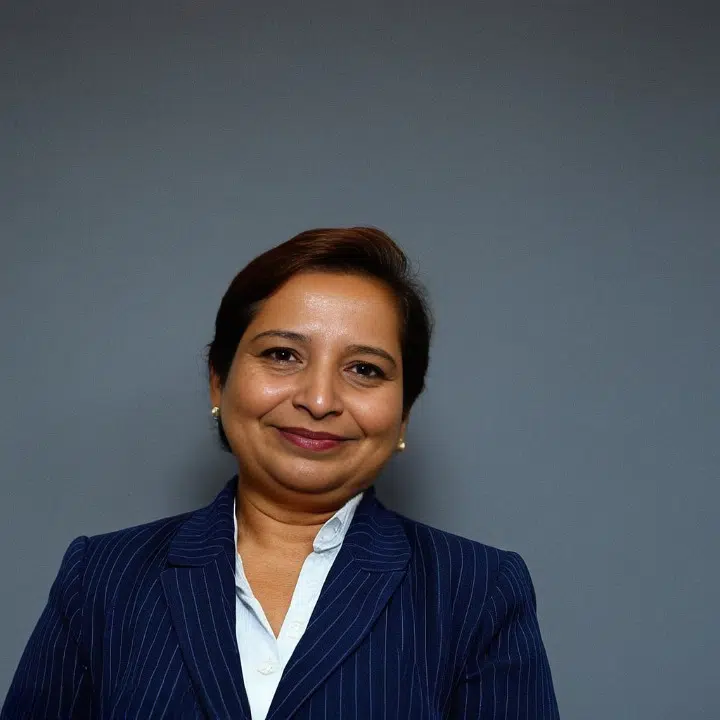
Meet Your Lead Engineering Consultant Accountant
Meet your lead engineering consultant accountant. As your practice and corporate tax adviser, you deal with the same two people every year.

What Our Clients Say
1300+ five-star reviews from engineering consultants, technical practices and professional service firms across Ontario and Canada.
Serving Engineering Consultants Across Ontario
Our CPA team provides specialized accounting and tax solutions for civil, structural, mechanical, electrical, geotechnical and geomatics consulting practices throughout Ontario. We understand why year-end work in progress is income with no election available to engineering, how percentage of completion and a cost-to-complete estimate drive both your statements and your tax, what the subconsultant chain has to carry behind it, and how the holdback shapes your cash flow where the work is an improvement to land.
Toronto (ON)
55 Queen St E Ste 1205, Toronto, ON M5C 1R6, Canada
+1 (647) 212-9559
9:00 AM – 8:30 PM (Mon – Sun)
Mississauga (ON)
2100 Camilla Rd #716, Mississauga, ON L5A 2J8
+1 (647) 212-9559
9:00 AM – 8:30 PM (Mon – Sun)
Brampton (ON)
4 Starhill Crescent, Brampton, ON L6R 2P9, Canada
+1 (647) 212-9559
9:00 AM – 8:30 PM (Mon – Sun)
Scarborough (ON)
24 Clementine Square, Scarborough, ON M1G 2V7, Canada
+1 (647) 212-9559
9:00 AM – 8:30 PM (Mon – Sun)
Vaughan (ON)
19 Cabinet Crescent, Woodbridge, ON L4L 6H9, Canada
+1 (647) 212-9559
9:00 AM – 8:30 PM (Mon – Sun)
Oshawa (ON)
210 Durham St, Oshawa, ON L1J 5R3, Canada
+1 (647) 212-9559
9:00 AM – 8:30 PM (Mon – Sun)
Ottawa (ON)
2090 Neepawa Ave a314, Ottawa, ON K2A 3L6, Canada
+1 (647) 212-9559
9:00 AM – 8:30 PM (Mon – Sun)
Etobicoke (ON)
60 Stevenson Rd #1601, Etobicoke, ON M9V 2B4, Canada
+1 (647) 212-9559
9:00 AM – 8:30 PM (Mon – Sun)
Hamilton (ON)
70 Starling Dr, Hamilton, ON L9A 0C5, Canada
+1 (647) 212-9559
9:00 AM – 8:30 PM (Mon – Sun)
Guelph (ON)
1155 Gordon St, Guelph, ON N1L 1S8, Canada
+1 (647) 212-9559
9:00 AM – 8:30 PM (Mon – Sun)
Windsor (ON)
4387 Guppy Ct, Windsor, ON N9G 2N8, Canada
+1 (647) 212-9559
9:00 AM – 8:30 PM (Mon – Sun)
North York (ON)
150 Graydon Hall Dr #912, North York, ON M3A 3B2, Canada
+1 (647) 212-9559
9:00 AM – 8:30 PM (Mon – Sun)
Engineering Consultant Accounting & Tax FAQs
Related Industries We Serve
Accountant for Excavation Companies
- Progress billing and holdback
- Equipment capital cost allowance pools
- Corporate tax filing and statements
Accountant for Heavy Equipment Operators
- Contractor classification and slips
- Fleet and equipment CCA planning
- Corporate tax planning and bookkeeping
Accountant for Masonry Contractors
- Percentage of completion accounting
- Subtrade cost and HST treatment
- Corporate tax filing and statements
Accountant for Sign Installation Companies
- Project costing and unbilled work
- Permit and disbursement recharges
- Corporate tax planning and advisory
Engineering Consultant Accounting & Tax Done Right.
Year-end work in progress measured and brought into income because the ITA section 34 election names professions that have never included engineering, revenue recognised on percentage of completion against a cost-to-complete estimate rebuilt every month, unapproved scope change tracked instead of absorbed, subconsultants tested against the CRA guide RC4110 factors with T4A slips filed and Regulation 105 reviewed payment by payment on non-residents, every recharged disbursement analysed for reimbursement or agency treatment under ETA subsection 123(1) and CRA Policy Statement P-182R before tax is charged, CAD workstations in Class 50 at 55% instead of pooled in Class 8, and the holdback receivable shown on its own line where the work is an improvement to land. AFFORDABLE flat fees, no hourly billing. Licensed CPA Ontario. 1300+ five-star reviews. 30-Day Money-Back Guarantee.