

DIY Corporate Tax Filing vs Professional Accountant: A Canadian Business Guide
Deciding whether to file your own corporate taxes or hire a professional corporate tax accountant is a big choice for Canadian business owners. At Gondaliya CPA, we help you weigh the pros and cons, showing how working with a tax expert can reduce audit risks, maximize deductions, and save you valuable time in the 2025 tax year.
Request a Free Consultation
DIY Corporate Tax Filing vs Professional Accountant: Gondaliya CPA Guide to Choosing a Tax Professional in Canada
Understanding Your Corporate Tax Filing Options in Canada
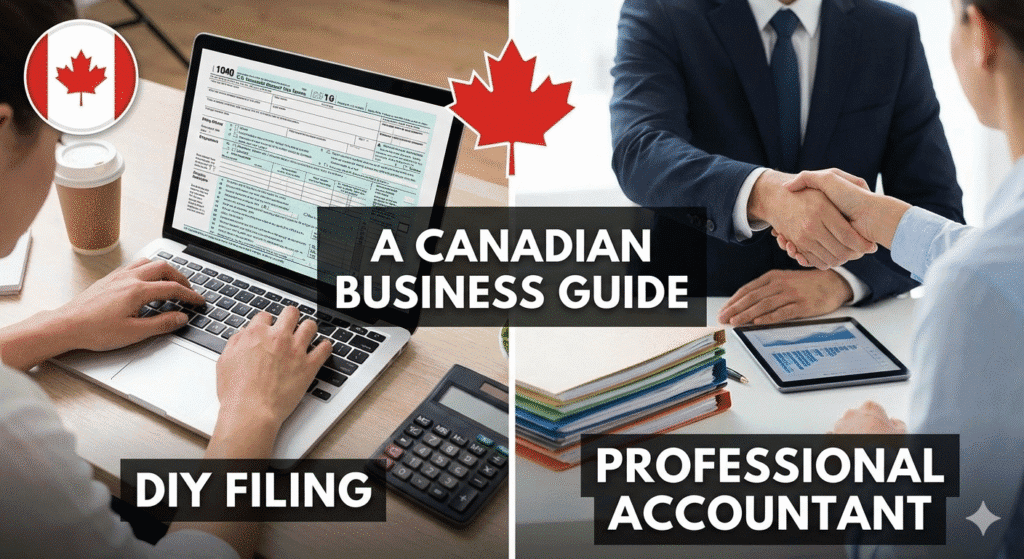
DIY Tax Filing: What It Means for Your Business
Filing your corporate taxes on your own might sound simple. If you’re a first-time filer, you may think it’s easy and clear. CRA NETFILE certified software lets you file taxes electronically, giving you the legal right to do it yourself. But remember, this process can take a lot of time — usually between 40 and 60 hours for beginners. That’s a big chunk of time for busy business owners.
Here’s what to keep in mind:
- Time Investment: You’ll spend many hours learning tax rules and filling out forms.
- Complexity: Even simple returns often hide tricky details you need to watch out for.
Hiring a Tax Professional: Benefits and Considerations
Going with professional corporate tax filing has its perks. A dedicated tax expert knows the ins and outs, saving you time and hassle when tax season hits.
Look at some benefits of hiring a CPA:
- Audit Defense Benefits: They stand by you if the CRA audits your return.
- Maximized Deductions: CPAs spot deductions that you might miss on your own.
- Proactive Planning: They help plan your taxes all year, not just at filing time.
The Basic Legal Right to DIY Corporate Taxes with CRA NETFILE
Canadian law allows companies to file their own taxes using CRA NETFILE certified software. This tool makes submitting easier but still needs a good grasp of tax rules for corporations.
Keep these in mind about CRA NETFILE:
- It’s built for businesses wanting smoother filing.
- Always check that your software is current with tax law updates.
Why filing corporate taxes yourself is not a DIY Project?
Doing it yourself looks cheaper upfront — software costs can be $200 to $800 — but risks lurk that might cost you more later.
Watch out for these risks:
- Corporate Return Complexity: T2 forms can have over 50 parts depending on your business type.
- Risk of Errors: Small mistakes can cause penalties or audits, wiping out any savings from DIY work.
- Hidden Costs from Missed Deductions: Without an expert, important deductions can be overlooked, making your taxes higher than needed.
| Aspect | DIY Approach | Hiring a CPA |
|---|---|---|
| Cost | $200 – $800 | $400 – $1,500+ |
| Time Required | 40 – 60 hours | Often less stressful |
| Risk of Errors | Higher | Lower |
| Audit Support | None | Full representation |
Think about your situation carefully — do you have many business parts or complex investments? Decide if self-filing fits or if you need pro help for peace of mind and better results this tax season.
DIY Corporate Tax Filing: Weighing the Benefits and Drawbacks
In Canada, you can file corporate taxes yourself. You might use CRA NETFILE certified software or paper forms. Some business owners find this simple and budget-friendly. But you should know the good and bad parts of DIY corporate tax filing before you start.
Pros of DIY Corporate Tax Filing
Doing your own corporate taxes can help save money. Here are some benefits:
- Budget-Friendly: Software costs between $200 and $800, which is cheaper than paying a pro.
- Time-Efficient for Simple Returns: When your return is easy, electronic tax filing Canada lets you send it fast.
- Secure Submission: Certified software keeps your data safe during filing.
- Control Over Process: You handle everything on your own, no one else involved.
If your corporation is simple with few transactions, filing yourself can save cash and still follow rules.
Cons of DIY Corporate Tax Filing
But filing alone has risks too:
- Costly Mistakes: Complex forms can cause errors that bring penalties or audits.
- Risk of Missing Deductions: Without expert help, you might miss tax credits or expenses.
- Hidden Expenses: Fixing mistakes or answering CRA questions takes extra time and money.
- Audit Triggers: Wrong info raises chances of CRA looking closer at your return.
Usually, these problems cost more than hiring a pro if your business is bigger or complex.
Hidden Time Costs: 40–60 Hours for First-Time Filers
If you’re new to DIY corporate tax filing Canada, expect to spend lots of time. Filling out a T2 return can take 40 to 60 hours. This happens because you need to learn how forms work and enter all data carefully.
You’ll gather papers, fill out many parts, then double-check before sending. This time could slow down other business work.
The Complexity of T2 Filing: 50+ Schedules and Error Risks
T2 corporate tax return isn’t just one form. Many businesses complete over 50 different schedules based on their activities.
These include income reports, balance sheets, capital cost allowance claims, and investment info. Each schedule has its own rules that need close attention.
Getting even small parts wrong raises error risks big time. Errors might cause costly audits or reassessments by the CRA.
Think about these points based on how complex your company is and what resources you have. That will help decide if diy corporate tax filing Canada works for you—or if hiring an accountant makes more sense now.
Hiring a Tax Professional: Is It the Right Choice for Your Business?
Filing corporate taxes in Canada can feel tricky. You can file your own return using CRA NETFILE software or paper forms, but many businesses prefer to get help. A dedicated tax expert, like a corporate tax accountant in Canada, knows more than just the basics. CPA corporate tax services offer detailed preparation and planning that fits your business.
Professional corporate tax filing in Canada means you get experts who know the rules well. They spot chances to cut down your taxes. The benefits of hiring a CPA include accurate filings, audit defense, and smart strategies to protect your income and help your business grow.
Pros of Hiring a CPA: Audit Representation, Tax Planning, and Peace of Mind
A Certified Professional Accountant (CPA) brings some clear perks:
- Full Audit Representation: CPAs handle all parts of an audit if CRA checks your return. This takes stress off you.
- Proactive Tax Planning: CPAs use business tax planning services to find ways to maximize deductions and credits all year.
- Strategic Credits Maximization: They make sure you claim all credits you qualify for, like Scientific Research & Experimental Development (SR&ED). DIY filers often miss these.
- Minimize Tax Liability: Expert advice helps lower how much tax you owe—legally.
- Peace of Mind: Knowing pros manage compliance lets you focus on your business.
These benefits make hiring a reliable source of income protection worth it for many Canadian companies with complex T2 filings.
Audit Triggers: Reduce Your Risk by Hiring a Tax Expert
Corporate tax audits happen when returns have mistakes or odd details. Common audit triggers include:
- Big differences between income and expenses reported
- Very high deductions without good proof
- Late or changed filings
- Complex deals involving several entities
A professional corporate tax accountant in Canada knows these warning signs well. They prepare accurate returns with proper documents to lower audit risk. If an audit happens, having full audit representation from a CPA helps fix things fast without fines or long fights.
Proactive Tax Planning: Strategic Credits Maximization
Good corporate tax planning services don’t stop at filing time. A skilled CPA gives advice all year based on your industry and money situation using business tax planning services like:
- Predicting taxable income from expected revenue
- Choosing when to pay expenses
- Using investment incentives
- Claiming refundable or non-refundable credits
This kind of planning helps keep cash flowing while following CRA rules—a big plus over DIY filing where chances are missed.
Cost of Hiring a Tax Professional: What to Expect
| Aspect | Professional Filing (CPA Services) | DIY Filing |
|---|---|---|
| Typical Cost Range | $400 – $1,500+ | $200 – $800 |
| Time Investment | 10–20 hours | 40–60 hours |
| Benefits | Full audit representation; strategic credit claims; peace of mind | Basic filing only; higher error risk |
| Complexity Handling | Handles multi-schedule returns easily | Harder for startups/multi entities |
Tax consultant fees in Canada depend on how complex things are but usually show value by cutting risks and lowering taxes better than doing it alone.
CPA Service Timeline vs DIY Filing Checklist
CPAs usually start with a meeting, then check documents, prepare drafts, get client OKs, file the return, and help after filing if needed—all done weeks before deadlines.
DIY checklists mean gathering forms yourself while figuring out schedules like Schedule 50 (Shareholder Info) and Schedule 125 (Income Statement). This often confuses first-timers or causes delays.
From Canadian businesses thinking about their options this year amid changing rules, working with professionals like Gondaliya CPA helps get better results from trusted experts across Ontario accounting firms. Book your free consultation now!
DIY vs. Professional: A Cost Comparison for Canadian Businesses
Deciding between diy corporate tax filing Canada and hiring a pro can be tricky. Software might look cheap, but mistakes or missed deductions can cost more later. Hiring someone for professional corporate tax filing Canada costs more upfront. Still, you get help with audit defense and smart tax planning.
DIY Tax Software Costs: What You’ll Pay
Using corporate tax filing software Canada with CRA’s NETFILE certification means you can file online safely. These programs usually cost $200 to $800 per year depending on what you need.
Keep in mind:
- You may spend 40 to 60 hours on your first T2 return.
- Learning forms and double-checking numbers takes time.
- Mistakes happen easily without expert help and can lead to fines.
Filing electronically saves mailing time and speeds things up. But it won’t fix errors or explain tough tax rules for you.
Professional CPA Fees: $400-$1,500+ (and the Potential Tax Savings)
Getting a CPA for your taxes usually runs from $400 to more than $1,500. The fee depends on how complex your business is. This covers:
- Checking your finances closely
- Finding every possible deduction
- Giving advice based on current laws
- Representing you if CRA audits
CPA work takes weeks sometimes but gives you peace of mind. Their advice often saves you more money than their fee costs.
Benefits of Hiring a CPA Include:
- Handling over 50 schedules in T2 forms
- Planning taxes for new or multi-part businesses
- Cutting chances of costly mistakes that cause audits
Hidden Expenses: Errors, Missed Deductions and Potential Penalties
Going DIY risks some costs that sneak up after you file:
| Risk Factor | Consequence |
|---|---|
| Filing errors | CRA fines and reassessments |
| Missed deductions | Pay more taxes, lose savings |
| Missing documents | Raises chance of audit |
| Fixing mistakes late | Extra interest charges |
These extra costs add up fast. Missing credits could cost thousands every year. Wrong returns make audits more likely — which means stress and extra bills.
Good audit risk management needs skill many owners don’t have when doing it alone.
Table 1: DIY vs Professional Corporate Tax Filing Comparison Chart
| Aspect | DIY Corporate Tax Filing | Professional Corporate Tax Filing |
|---|---|---|
| Cost | $200 – $800 (software only) | $400 – $1,500+ (CPA fees) |
| Risk | High – errors and missed items | Low – expert check cuts mistakes |
| Time Required | 40–60 hours | 10–20 hours |
| Benefits | Cheaper; total control | Audit help; find deductions; relax |
The best choice depends on how big or complex your company is. Simple returns might be fine with good NETFILE software if you’re confident. Bigger businesses usually need pro help.
Canadian businesses thinking about their options in 2025 should balance cost with avoiding costly slip-ups. Experts like Gondaliya CPA suggest looking closely at your own needs before deciding how to file corporate taxes this year.
Book Your Free Consultation Now!
When to DIY vs. When to Hire a Professional: Scenarios for Canadian Businesses
Deciding if you should file your corporate taxes yourself or hire a pro depends on how complex your business is. The CRA lets businesses use NETFILE software or paper forms. Whether you go for DIY corporate tax filing Canada or professional corporate tax filing Canada depends on your business size, income sources, and how much risk you want to take.
Situations Where DIY Corporate Tax Filing Might Be Appropriate
If your business is small and simple, with easy finances and few deductions, doing it yourself can save money and time. If you’re a first-time filer with only a few transactions or have a single corporation without investments or many entities, some software can help you out.
Here’s when DIY could work:
- Your return has less than 10 schedules.
- You understand the basics of T2 forms.
- You want to avoid paying $400-$1,500+ for a professional.
- Your expenses and credits are straightforward.
But watch out! Even simple returns need to be accurate. Mistakes can cause audits or lost deductions.
When Professional Help is Necessary: Startups, Investments, Multi-Entities
If your tax situation is more complex, getting help from a CPA makes sense. Startups deal with tricky things like claiming startup costs properly and managing GST/HST filings. Investment income adds more rules about rental earnings and capital gains that follow federal and provincial laws.
Businesses with multiple entities have even more work because they must combine financials across different locations or subsidiaries. This makes errors more likely when filing alone.
Hiring pros costs around $400 to $1,500+, but you get:
- Help defending audits by the CRA.
- Tax planning that finds extra credits.
- Careful reviews that reduce mistakes and penalties.
Having expert help often saves money by avoiding future problems.
Startup Tax Needs: Getting it Right from the Beginning
Startups face special rules under Canadian tax law. They must file GST/HST on time along with their first T2 return. Missing deadlines here can slow down funding or cause issues later.
A CPA who knows startup taxes will make sure you claim all eligible deductions early—like R&D credits—and set up accounting systems suited for growth.
Investment Income: Complexities and Considerations
Investment income has tricky rules. You must report dividends, interest, rental income, and capital gains correctly. Mistakes could lead to audits or paying tax twice if foreign investments come in.
Professionals understand these details well enough to lower taxable amounts legally while following CRA guidelines for investment property tax filing in Canada.
Foreign Income: Tax Compliance
Canadian companies earning money from abroad must report it right under federal and provincial laws. This includes knowing when tax treaties apply and using CRA NETFILE corporate tax options that mostly serve domestic filings but allow foreign disclosures too.
If not done right, you could face fines or lose foreign tax credits—a common mistake avoided by experts who know cross-border rules.
Multiple Income Sources: Avoiding Pitfalls
Companies with operations in different provinces or several legal entities deal with tough bookkeeping tasks. They need consolidated statements showing revenues split properly by each area’s rules.
Doing this without help raises chances of errors compared to professional work familiar with multi-entity filings and managing transactions between related companies.
Gondaliya CPA: Tailored solutions to your business
Picking Gondaliya CPA means working with a team dedicated to the specific needs of businesses in Toronto, Mississauga, Guelph, Oshawa, and throughout Ontario. We focus on your company’s exact requirements—from startups handling their first returns to larger firms juggling multi-entity setups or foreign income.
We offer:
- Close checks finding savings DIY filers miss
- Full support during CRA audits
- Advice aimed at Ontario businesses on available credits
Trust Gondaliya CPA for careful work that files your taxes right and fast while cutting costs caused by errors or missed chances.
| Aspect | DIY Corporate Tax Filing | Professional Corporate Tax Filing |
|---|---|---|
| Cost | $200 – $800 (software) | $400 – $1,500+ (CPA fees) |
| Time Required | 40–60 hours (first-time filer) | Less time; handled efficiently by experts |
| Risk | Higher chance of errors triggering audits | Lower risk due diligence & audit defense |
| Complexity Handling | Suitable only for very simple returns | Handles startups/investments/multi-entitles |
| Benefits | Budget-friendly; control over process | Maximized deductions; proactive planning |
Think about your business type carefully—whether you’re doing small business corporate tax filing, dealing with startup tax filing, handling investments, or managing many locations—you’ll know when it’s better to do it yourself or call in a pro.
FAQ Highlights
Can I file corporate taxes myself?
Yes. CRA lets you self-file using certified software but only if your return is simple without many schedules.
What are the risks of DIY corporate filing?
You might make mistakes that cause audits. You could also miss deductions which raise your taxes.
How much does CPA filing cost in Canada?
Prices vary depending on complexity, starting around $400. Gondaliya CPA offers affordable pricing and includes audit protection and professional guidance—benefits you won’t get with software alone.
For advice focused on Ontario businesses looking at either option confidently contact Gondaliya CPA today!
FAQs on Corporate Tax Filing in Canada and Choosing the Right Approach
Can I File Corporate Taxes Myself?
Yes, you can file corporate taxes yourself in Canada. The CRA lets you use NETFILE certified software or paper forms. If your business is simple, doing it yourself might work fine. But usually, T2 corporate tax returns have many schedules—over 50 for most businesses. That makes filing tricky and time-consuming. It’s even harder if you’re filing for the first time. Choosing between DIY vs professional tax filing depends on how big your business is and how comfortable you are with tax rules.
What are the Risks of DIY Corporate Filing?
Doing your own corporate tax filing risks errors that might catch the CRA’s attention. Mistakes like missing deductions or wrong info can trigger audits. This raises your tax audit risk and might lead to penalties or extra charges. Without expert help, you could miss valuable credits or make costly errors that hurt your finances.
How Much Does CPA Filing Cost in Canada?
CPA fees for corporate tax preparation usually range from $400 up to $1,500 or more. Software costs run between $200 and $800 but don’t come with audit help or tax planning advice like CPAs offer. Paying more upfront to a pro can save you money later by finding better deductions and cutting audit risk.
What are the Key Corporate Tax Deadlines in Canada?
You must file your corporate tax return within six months after your fiscal year ends. Any taxes owed must be paid within two months after year-end—or three months for some small CCPCs (Canadian-controlled private corporations). Filing late can cause penalties and interest from the CRA.
What Types of Business Expenses Can I Deduct?
You can deduct expenses related to earning income, such as:
- Office supplies
- Salaries and wages
- Rent and utilities
- Advertising costs
- Business vehicle expenses
- Professional fees like accounting services
Keep good records to prove these expenses if the CRA audits you.
What are the Common Tax Mistakes Businesses Make?
Businesses often mess up by:
- Missing deadlines
- Facing eligible deductions
- Mixing personal and business expenses
- Keeping poor records
- Underreporting income
- Ignoring multi-entity filings when needed
These mistakes can cost extra money or cause penalties.
How Can I Prepare for a Tax Audit?
Prepare by keeping organized records that back up everything on your return. Hiring a CPA means they handle all talks with CRA auditors for you—called full audit representation. They also give tips before filing to lower audit chances.
What Resources Does the CRA Offer to Small Businesses?
The CRA gives free guides online about T2 forms and offers NETFILE certified software options for corporate tax filing. You can find these resources at canada.ca/en/revenue-agency/services/tax/businesses/small-businesses-self-employed-income/checklist-small-businesses.html, which helps small businesses stay on track without extra cost.
How Do I Choose the Right Business Structure for Tax Purposes?
Your choice of structure affects taxes a lot. A sole proprietorship pays differently than an incorporated company because of rates and credits available. Multi-entity setups mean you must file combined returns, which gets complicated fast. Pros who know incorporation taxes and intercompany dealings make this easier.
What are the Tax Implications of Hiring Employees?
When you hire workers, you must handle payroll taxes too. This means withholding income taxes, CPP contributions, EI premiums, and sending payments on time per CRA rules. These steps are part of small business accounting in Canada.
What is Audit Representation from a CPA?
Audit representation means a CPA acts as your helper during CRA reviews. They guide you through questions and protect your rights while making sure answers are right and fair under Canadian law.
What is Proactive Tax Planning, and Why Do I Need It?
Proactive planning means looking at your finances early to get the most from credits while lowering taxable income legally each year. It takes special knowledge because rules change every year, so doing it yourself is tough.
How Can a CPA Help Me Maximize Tax Savings?
CPAs spot all deductions most people miss — even hidden ones — then use smart methods to reduce what you owe through real credits like R&D incentives or investment reliefs only pros know well in Canada.
What Kind of Peace of Mind Can a CPA Provide?
A CPA checks your work so you file with confidence. They stay available after filing if questions pop up, removing stress about audits or fines so you can focus on growing your business instead of worrying about paperwork.
Why Gondaliya CPA Is Your Trusted Partner
Gondaliya CPA offers solid help focused just on Canadian companies’ needs—from smart tax planning to accurate preparation and filing support. They’ve worked with Ontario clients handling tricky multi-entity cases smoothly and deliver real value by focusing completely on what clients want today’s market needs.
FAQs on Corporate Tax Filing and Compliance in Canada
What are common corporate tax deductions available in Canada?
Businesses can deduct office expenses, salaries, rent, utilities, vehicle costs, and professional fees. Keeping records supports these claims.
How do corporate tax credits work for Canadian businesses?
Tax credits reduce taxes owed. Credits like SR&ED or investment credits can lower liabilities when properly claimed by a CPA.
What triggers a corporate tax audit in Canada?
Large expense claims, inconsistencies between income and deductions, late filings, or complex returns often trigger audits.
How does a CPA provide audit representation for corporate tax audits?
CPAs communicate with the CRA on your behalf during audits. They protect your rights and resolve issues efficiently.
What should small businesses know about corporate tax filing deadlines in Canada?
Filing must occur within six months after fiscal year-end. Payments usually are due within two months after year-end or three months for some CCPCs.
How does tax compliance affect Canadian corporations?
Following federal and provincial laws avoids penalties. Accurate filings and timely payments keep your business compliant.
What are the consequences of tax filing errors for corporations?
Errors can lead to penalties, reassessments, interest charges, and increased audit risk from the CRA.
Which schedules are most complex in T2 corporate tax filing?
Schedules like Schedule 50 (Shareholder info) and Schedule 125 (Income statement) demand careful attention due to detail requirements.
How do multi-entity filings impact corporate tax preparation?
They require consolidated statements across subsidiaries or locations. Professional help ensures correct reporting and compliance.
Essential Corporate Tax Filing Insights for Canadian Businesses
- Tax Software Options: Choose CRA NETFILE certified software updated with current tax rules.
- Business Tax Schedules: Over 50 schedules exist; complexity varies by business activities.
- Paper Tax Returns: Still allowed but slower; electronic filing is faster and more accurate.
- Tax Consultant Fees Range: Professionals charge $400 to $1,500+ based on return complexity.
- Corporate Tax Preparation Cost: Factor fees against potential savings from deductions found by experts.
- Tax Return Amendment: Amendments fix errors post-filing but may incur penalties if delayed.
- Tax Filing Extensions Canada: Extensions may be possible but interest still accrues on taxes owed.
- Tax Documentation Retention: Keep documents for at least six years to support claims if audited.
- Investment Income Reporting: Must include dividends, rental income, capital gains accurately to avoid fines.
- Corporate Tax Penalties: Late filings or inaccurate returns attract fines and interest charges from CRA.
- Tax Filing Timeline: Start early to gather documents; pro help reduces last-minute rushes.
- Corporate Financial Statements: Accurate statements aid in precise T2 filings and audit defense.
- Payroll Tax Filing: Deducting payroll taxes correctly avoids CRA penalties related to employee withholdings.
- Business Incorporation Taxes: Incorporated businesses face different rates and credit eligibility than sole proprietors.
These points help Canadian business owners make informed choices between DIY filing or hiring professionals like Gondaliya CPA to optimize their corporate tax strategy in 2025 and beyond.

Sharad Gondaliya is a CPA Canada & CPA USA with 14 Years+ experience of Accounting, Tax, Payroll of Corporate Small Businesses as Tax Accountant. He is fully certified CPA Ontario and CPA USA and is well known among corporate small businesses for tax planning, efficient tax solutions, and affordable CPA services. Sharad is the Principal (Director) of Gondaliya CPA – Affordable CPA Firm in Canada. Licenses: CPA Ontario: 61040184 | CPA USA (MT): PAC-CPAP-LIC-033176 | CPA USA (WA): 57629 | CPA Firm License: 61330051 View Full Author Bio