



Tax Accountant for Arcades in Ontario and Across Canada
Coins, notes and card taps are not self-documenting, so we build the one chain CRA asks for: cabinet meter readings that tie to the count sheet, and a count sheet that ties to the deposit, every collection period, in writing. We hold token sales and prepaid credits as money owed in play until the play is taken, put cabinets held to earn on your floor in Class 8 at 20% with the entry terminals and back-office computers in Class 50 at 55%, carry a machine bought to restore and resell as inventory instead of depreciable property, work out from the agreement whether a placement split belongs in your revenue gross or net, and settle recapture under ITA 13(1) the moment a cabinet leaves. Whether you run a street-front arcade, a barcade with a game floor, a retro and pinball room or a route of cabinets standing in other venues, we handle the drop, the pools and the payroll — with AFFORDABLE flat fees.
AFFORDABLE Arcade Tax Accountant
An arcade takes its money in a form that nothing outside the building confirms, and that one fact decides how the whole file has to be built. A restaurant has a card processor’s statement behind its sales; a wholesaler has an invoice for every one. You have coins in a bucket, notes stacked inside a bill acceptor and a tap at the door, and the only independent witness to what a given cabinet earned is the meter on the back of it. So the discipline that matters here is a chain rather than a total: read the meters, count the drop against them, bank the count, and keep all three so any period can be laid out side by side on request. The second issue is that the machines are not one kind of asset. A cabinet bought to stand on your floor and earn is equipment; a cabinet bought to strip, restore and sell on is stock you happen to own, and the two cannot be swapped for one another at year end. At Gondaliya CPA, we specialize in coin revenue substantiation, placement agreements and cabinet pools for arcade operators, providing AFFORDABLE flat-fee support that keeps you CRA-compliant and stops you paying more tax than you owe.
As an arcade accountant, we work with street-front arcades, barcades and taprooms with a game floor, retro and pinball rooms, and operators running a route of cabinets placed in other people’s venues, right across Ontario, with year-round support rather than a once-a-year scramble. We tell you what each cabinet is dropping, whose revenue a placement split really is, and whether the machines on your books are equipment or stock.
Leave the counting, the classes and the filings with us, and keep your own attention on the floor and the collection round.
Our Official Partners









Accounting That Understands How an Arcade Really Works
Most of your revenue arrives as coins and notes, and the paper that proves it has to be made by you rather than handed to you by a bank or a customer. Around that sit machines that are capital in one hand and stock in the other, agreements that split the take with somebody else’s venue, and token sales that are cash today and play you still owe. At Gondaliya CPA, we understand that reality and provide practical, industry-focused solutions across Ontario.
Stay Compliant and Minimize Your Arcade Tax
Two things an arcade owner wants turn out to be one exercise: a file CRA does not argue with, and a tax bill no larger than the law requires. Both come out of records that stand up. We file on schedule, claim every cabinet, occupancy, payroll and operating dollar the T2 permits, and keep the revenue evidence in a form that answers the question before it is put.
Accounting & Tax Experts for Arcades
- AFFORDABLE + Fully Registered CPA Firm
- Business and Corporate Tax Expert
- Small & Medium Business Expert
- Accounting, bookkeeping, and tax filing
- Certified CPA
- 1300+ 5-star Google reviews
- 30-Day Money-Back Guarantee
- 60-Day Fees Matching Policy
Why Choose Our Accounting Services for Arcades?
Tax Planning — Cabinet Pools & Purpose
We know the file: Class 8 at 20% on cabinets held to earn, Class 50 at 55% on terminals and computers, inventory treatment on a machine bought to flip, recapture on a trade. We protect the $500,000 Small Business Deduction.
Consulting — Coin Drop & Floor Space
Our bookkeeping reports coin drop per cabinet against the space each machine stands on, so you can see which titles pay for their footprint and which are being carried.
CRA Representation — Cash Revenue Reviews
When CRA tests how your coin and note revenue was proved, or questions a placement split or a cabinet disposal, we build the response and seek relief on Form RC4288 where an earlier error caused the penalties.
Bookkeeping — Drop, Deposit & Deferral
We separate cash taken for play not yet delivered from cash you have earned, tie each deposit back to a count sheet and a meter reading, and plan the float that carries a quiet January.
Google Reviews
Arcade Clients
Arcade Tax and Accounting Services in Ontario
Corporate Tax Filing (T2) for Arcades
Professional T2 preparation with coin revenue tied back to meters and deposits, cabinets pooled by the purpose they were bought for, token liability carried correctly, and CRA compliance on every line.
Bookkeeping & Accounting for Arcades
Monthly books that reconcile meter readings to the count and the count to the bank, report coin drop per cabinet, and keep the bar and merchandise margins visible on their own lines.
Payroll Services for Arcades
Attendants, cashiers and machine technicians paid properly: deductions withheld, the PD7A met each month, WSIB registered before anyone starts, and the right slip issued at year end.
GST/HST Filing for Arcades
AFFORDABLE HST filing at 13% on play, door charges, food, drink and merchandise, with private hire deposits timed correctly and every input tax credit recovered in full.
Tax Planning for Arcades
Timing a cabinet purchase against your year-end, holding the small business rate, settling how the owners are paid, and shaping the sale long before a buyer appears.
Corporate Catch-Up Filing for Arcades
Bring years of unfiled T2 and HST returns current, reconstructing the coin revenue, the cabinet pools and the unplayed token balance that sit behind each one.
CRA Audit Resolution for Arcades
Expert support when CRA tests your cash substantiation, a placement split or a cabinet disposal, handled with confidence from the first letter.
CPA Financial Statements (Notice to Reader) for Arcades
Compilation statements a lender, a landlord or an incoming partner can read, with cabinets valued class by class and resale machines shown as inventory.
Incorporation Services for Arcades
NUANS, articles, minute book and a share structure with room to grow, plus the section 85 election that carries your cabinets, spares and fit-out into the company.
Catch-Up Bookkeeping Services for Arcades
Months or years of collection sheets, meter logs, supplier bills and cabinet invoices reconstructed and reconciled, so the asset schedule and the revenue record finally tie out.
US Corporation & LLC Tax Filing for Arcades
US and cross-border work for an arcade with an American or non-resident shareholder, or with cabinets moving either way over the border, including withholding and T1135 reporting.
Voluntary Disclosure Program for Arcades
Come forward on coin revenue never fully reported, unreported recapture or an unfiled year before CRA calls, cancelling penalties through a Voluntary Disclosures Program application.
Accounting & Tax Services Tailored for Arcades
Real, practitioner-level CPA expertise for street-front arcades, barcades and taprooms with a game floor, retro and pinball rooms, and operators running cabinets placed in other venues across Ontario — built for a business whose revenue arrives as coins and has to be proved rather than printed.
- We file the T2 with its GIFI schedules completed so that coin and note play, door charges, private hire, food and drink, merchandise and placement income each occupy a line of their own rather than collapsing into one sales total.
- We tie the revenue on the return back to the evidence sitting behind it, so the play reported for any period is the figure the cabinet meters, the signed count sheets and the bank deposits all support together.
- Capital cost allowance goes on Schedule 8, with cabinets held to earn in Class 8 at 20%, entry terminals, point of sale and back-office computers separated into Class 50 at 55%, and the unit fit-out treated as a Class 13 leasehold improvement.
- We carry a machine bought to restore and resell as inventory at the lower of cost and net realizable value, because a cabinet acquired to be sold on is stock rather than depreciable property and takes no capital cost allowance.
- A cabinet that goes out the door is a disposal whether or not a cheque changed hands, so we settle it through the Class 8 pool in the year it happens, reporting recapture under ITA 13(1) or claiming a terminal loss as the numbers fall.
- We put the collection routine in writing: meters read before the drop, coins and notes counted against that reading, any variance noted and initialled, and the deposit slip filed with the sheet it came from.
- We reconcile each period’s count to the bank deposit and to the meter movement, so the three numbers can be laid beside one another for whichever period a reviewer happens to select.
- We report coin drop per cabinet every month, which is the operating test that tells you which machines pay for the space they occupy and which are being subsidised by the ones next to them.
- We run the bar, the counter and the merchandise as their own lines with their own cost of sales, so food and drink margin never disappears inside a single takings total nobody can break apart.
- We capture supplier, parts, repair and utility bills through Dext and reconcile every month, so the six years of records ITA section 230 demands exist in fact and no input tax credit goes unclaimed.
- We put your attendants, cashiers and technicians on a proper payroll in Wagepoint, with income tax, CPP and EI deducted and the PD7A remitted on time, since a late source deduction remittance carries a graduated penalty rising to 10%.
- We treat worker status as a question of fact rather than of paperwork: how the work is directed, who supplies the tools and the parts, who carries the risk. The answer decides whether a T4 or a T4A is the correct slip.
- We issue records of employment whenever somebody finishes, which on a floor running on part-time and seasonal hours happens often, and getting each one out on time is what keeps the payroll account quiet.
- The last day of February is the deadline for the T4 slips and the T4 Summary, and we agree them to the PD7A remittances genuinely made, so slips, remittances and the wage line on the T2 all match.
- We register WSIB coverage before the first person is hired, because a technician moving cabinets and working inside a live machine is exactly the injury risk no uninsured employer can absorb, and we watch Ontario employer health tax against the $1,000,000 exemption.
- Play, door charges, food, drink and merchandise are taxable supplies at 13% in Ontario, so we file GST34 on the full takings and recover in full the input tax credits on cabinets, fit-out, rent, utilities and repairs.
- Registration becomes mandatory once taxable revenue crosses $30,000 across four consecutive calendar quarters. Where you sit close to that line we register early, because a fit-out year is exactly where the input tax credits are largest.
- We reconcile HST collected back to the count sheets and the point of sale at every filing, because an operator whose sales figure begins life in a bucket of coins is where a return and a ledger most easily drift apart.
- A deposit taken to hold the room for a private hire is not consideration until it is applied. Under ETA subsection 168(9) the tax point falls in the period the deposit lands against the invoice, not the day the date is reserved.
- We recover the input tax credits on cabinet purchases, spare boards, monitors and control parts, rent, utilities, security and the fit-out, which on an operator re-equipping a floor is a substantial recovery in every filing period.
- We time cabinet purchases against your fiscal year-end, weighing a Class 8 addition at 20% against the 55% available on terminals and computers in Class 50, so the deduction lands in the year it is worth the most to you.
- We keep the first $500,000 of active income inside the small business deduction. That is roughly 12.2% combined in Ontario, while the same money drawn personally at the top rate reaches 53.53%, and the gap is what planning protects.
- How the owners take money out is decided once a year rather than by habit: enough salary to build RRSP room, the balance as dividends, and the surplus left inside the company where the tax on it can be deferred.
- We model the replacement cycle from coin drop per cabinet measured against the floor space each machine occupies, so capital spending follows what the floor earns rather than whatever broke down most recently.
- We start the exit work at least two years out so the shares can meet the tests for the $1.25M Lifetime Capital Gains Exemption under ITA 110.6, which normally means clearing non-qualifying assets off the balance sheet first.
- Unfiled years get filed oldest first, each one rebuilt from the deposits, the surviving collection sheets and the purchase invoices, so every return describes the arcade that really traded in that year rather than an estimate of it.
- Filing late is charged at 5% of what is owed, with another 1% added for every month the return stays unfiled, capped at twelve months, which is why the earliest year gets dealt with before the rest.
- We reconstruct the revenue for each missing year from bank deposits, whatever meter and collection records survive, and the supplier and purchase history, then write the method down so the basis of every figure stays visible.
- Each cabinet is traced to its purchase invoice so the Class 8 and Class 50 balances can be restored year by year, the leasehold kept apart from the equipment on it, and any machine that quietly left the floor accounted for.
- Where the delay has a real explanation behind it, relief from penalties and interest is requested on Form RC4288, and on a file several years deep that request frequently returns more than the cleanup itself cost to do.
- When a reviewer asks how the reported play was arrived at, we produce the meter readings, the count sheets and the matching deposits for the periods selected, so the revenue figure rests on records made at the time.
- Under ITA 152(7) CRA may assess otherwise than in accordance with the return where the records do not support what was reported, and displacing such an assessment falls to the taxpayer, which is why the records are the defence.
- On a placement query we produce the agreement, show how principal versus agent was determined on its terms, and demonstrate that the gross or net presentation used on the return follows that determination consistently.
- A capital cost allowance review is answered with the purchase invoice for each cabinet, the reason it sits in the class it sits in, and the disposal record for anything that left, which settles most machine questions at the first reply.
- We carry the correspondence from the opening letter through to any reassessment, lodge a Notice of Objection within the ninety days where one is warranted, and ask for relief on Form RC4288 when penalties trace back to an earlier error.
- We produce CSRS 4200 compilation engagement statements for a lender, a landlord reviewing a renewal or an incoming partner, with the cabinets valued class by class and the leasehold kept distinct from the machines standing on it.
- Unplayed token and prepaid credit balances are stated separately as a liability, since anyone reading the cash on the balance sheet has to be told how much of it is play the arcade was paid for and has not yet given.
- Machines bought for restoration and resale appear as inventory, valued at the lower of cost and net realizable value, so stock still waiting for a buyer is not sitting inside a depreciation pool where it never belonged.
- We present placement income on the basis your agreements support, gross with the venue share shown as a cost or net as a commission, with a note explaining the determination so the reader is not left to guess.
- The compiled statements are agreed back to the HST returns you filed and to the T2 with GIFI, so a bank that lines all three up in front of it finds one consistent account of the same year.
- We take the incorporation right through: name search, articles, minute book and registers, with enough share classes created at the outset that a spouse, a trust or an incoming partner can be added later without a reorganisation.
- The cabinets, spares and fit-out you own personally transfer in on a section 85 election filed on Form T2057 at elected amounts, which defers the gain a straight sale into the company would otherwise crystallise.
- We open the books with the collection routine, the token liability account and the split between cabinets held to earn and cabinets held for resale already built in, so the first year accumulates correctly from day one.
- The Business Number, the HST account, the payroll account and WSIB coverage all open together at the outset, so a new arcade is not still sorting out registrations while its first busy season is already running.
- The first year-end is placed in your slowest month, so counting cabinets, reading meters and reconciling the token float happens on one quiet evening instead of eating a week out of a peak trading period.
- We rebuild months or years of missing records from bank deposits, whatever collection sheets and meter logs survive, supplier invoices and payroll history, until an arcade that traded for years without books has a ledger that ties out.
- Across the backlog we pull apart money that represented play already given from money taken for tokens still sitting in customers’ pockets, because collapsing the two is the single error that most distorts what each unfiled year owed.
- The asset schedule is rebuilt from the original cabinet invoices, with every item put into Class 8, Class 50, the leasehold or inventory where it was bought for resale, a schedule that on an inherited file is normally absent or wrong.
- Unentered cabinet purchases, board and monitor parts, rent and repair invoices all carry input tax credits nobody claimed, and on an operator who fitted out or re-equipped during the gap those recoveries regularly run into five figures.
- We reconstruct coin drop per cabinet across the caught-up months, so the owner finishes the exercise holding a floor report worth using rather than only a set of filed returns and a bill for preparing them.
- A non-resident shareholder changes what happens when the company pays a dividend: Part XIII tax must be withheld on the way out at 25% unless a treaty lowers the rate, and an NR4 slip has to follow it.
- Once the owners hold specified foreign property above $100,000, Form T1135 becomes due. It reports rather than taxes, and CRA still penalises a missed filing in a year when the property itself earned nothing at all.
- Where an owner or shareholder is a US citizen, the Canadian and the US returns are prepared as one exercise, because US filing obligations reach into a Canadian company in ways most families discover after a deadline has gone.
- Where cabinets are bought from or sold into the United States, we deal with the import and export side of the transaction and make sure the tax paid at the border is recovered as an input tax credit.
- The two returns are set against each other so foreign tax credits are used rather than wasted, and the same income is not made to bear full tax in both countries because nobody matched the years up.
- Where coin and note takings went under-reported in earlier years, coming forward first is what keeps the matter civil, because the same facts found instead by a reviewer are the version that carries the penalties.
- Cabinets sold or traded out without the recapture ever being reported do not stop being disposals, and a disclosure is what lets the operator report them and have the penalty that would otherwise attach cancelled.
- The application goes in on Form RC199, supported by a full reconstruction from the bank, the collection sheets and the purchase history, so the disclosure is complete rather than an estimate CRA is entitled to reject.
- We correct years where placement income was presented on a basis the agreement did not support, which is a quiet and cumulative error on an operator with machines standing in several other venues at once.
- A disclosure only works if it is voluntary, complete and at least one year overdue, so we verify all three before anything is filed and press for relief on the interest built up on the oldest years.
Arcade Coin Drop & Tax Check
Six quick questions on how your coin and note revenue is proved, your token liability, your cabinet classes, your placement agreements, your collection records and whether it is time to incorporate. No fee shown.
1. Do cabinet meter readings reconcile to the coin count and the bank deposit every period?
2. Is money taken for tokens not yet played carried as deferred revenue?
3. Are the entry terminals and back-office computers separated out into Class 50?
4. Has principal versus agent been determined and documented for your placement agreements?
5. Is a cabinet bought to restore and resell held as inventory rather than depreciated?
6. Is your arcade incorporated?
Free CPA Consultation for Arcades
Case Studies: Arcade Accounting & Tax
Waterloo Arcade — The Drop Nobody Could Prove
The problem: A Waterloo arcade banked its coin and note takings in one weekly deposit and recorded that deposit as the sale. No meter was ever read, no count sheet was kept, and the bar takings went into the same envelope on the way to the branch. When CRA opened a review covering two years, the operator could produce bank statements and nothing else. Under ITA 152(7), where the records do not support what was reported, CRA may assess otherwise than in accordance with the return, and displacing that figure falls to the taxpayer.
What we did: We put a written collection routine in place, rebuilt the two open years from the meter history the cabinets themselves still held, separated the bar takings out of the deposits, and filed supported figures with the reconstruction attached.
The result:
- Two open years re-supported from meter history
- $26,000 of assessed income withdrawn on review
- Count-to-deposit routine now signed weekly
Windsor Arcade — Cabinets Bought to Be Sold
The problem: A Windsor operator ran a floor of about forty machines and also bought, restored and resold classic cabinets two or three at a time. Every cabinet went into Class 8 and was depreciated, whichever purpose it had been bought for. The restoration machines were therefore sitting in a capital pool while they were really stock held for sale, the parts and labour spent on them were written off as repairs, and each sale was reported as though a piece of equipment had been disposed of.
What we did: We split the fleet by purpose at acquisition, moved the restoration machines onto the balance sheet as inventory at the lower of cost and net realizable value, capitalised the restoration cost into it, and corrected the Class 8 pool.
The result:
- $34,000 of restoration machines reclassified as inventory
- Class 8 pool corrected for four misrecorded disposals
- Purpose now recorded on every cabinet at purchase
Brantford Arcade — A Split Nobody Had Read
The problem: A Brantford operator kept twenty-odd cabinets on his own floor and another thirty standing in bars, laundromats and a bowling alley across the county. The placed machines were emptied on a route, the venue took its share in cash at the machine, and only the operator half ever reached a bank account. Revenue was reported at that net figure by default. Nobody had gone back to the agreements to work out who was principal on those supplies, and the route itself produced no paperwork at all.
What we did: We read every placement agreement in the file, applied the principal versus agent test to each one on its own terms, documented the determination and the reasoning behind it, restated the presentation consistently across the open years, and introduced a two-signature route sheet completed at the machine on every collection.
The result:
- Every placement agreement tested and documented
- Presentation set on a determined, consistent basis
- Route sheets signed at the machine on collection
Our clear, efficient process ensures every step is transparent, building trust and long-term client relationships.
Kickoff (Document Request)
Collect prior T2 returns, bank statements and deposit records, whatever meter and collection sheets exist, cabinet purchase and trade invoices, placement agreements, the lease and fit-out costs, token and till records, and payroll records.
First 30 Days (Cleanup & Setup)
Set up QuickBooks Online or Xero, open the token liability and placement accounts, rebuild the Class 8, Class 50 and leasehold schedules, split cabinets held to earn from cabinets held for resale, and write the collection routine down.
Monthly Close
Meters read and reconciled to the count, the count reconciled to the deposit, coin drop reported per cabinet, bar and merchandise margin split out, GST34 filed, and payroll and PD7A reconciled.
Quarterly Planning Review
Salary and dividend mix, cabinet purchase timing across Class 8 and Class 50, replacement decisions taken on drop against floor space, placement agreements reviewed, and cash measured against the token liability.
Year-End Close & T2 Filing
Trial balance, the year of meter and deposit reconciliations signed off, token liability stated, resale machines counted and valued, every cabinet carried class by class at net book value, any recapture or terminal loss settled, and the T2 filed with GIFI.
Get Your Arcade Taxes Done Right Today
We believe in clear, upfront pricing so you know exactly what to expect. All fees include HST.
- Tax Preparation (Corporation) — From $400
- Tax Return Filing (Corporation) — From $400
- Tax Compliance Audit — FREE CRA audit support for our clients
- Tax Strategy — FREE for our clients
- Accounting Base Plan — From $100 per month
- Bookkeeping Management — Free for our Accounting clients
- Financial Reporting — Free for our Accounting clients
- Business Formation — Flat $35
- Incorporation Process — Flat $35
- Entity Setup Assistance — Flat $35
- Full-Service Payroll — From $125 per month
Payment is by Interac e-Transfer to info@gondaliyacpa.ca only. Security question: Not Applicable, as auto-deposit is enabled.
Meet Your Lead Arcade Accountant
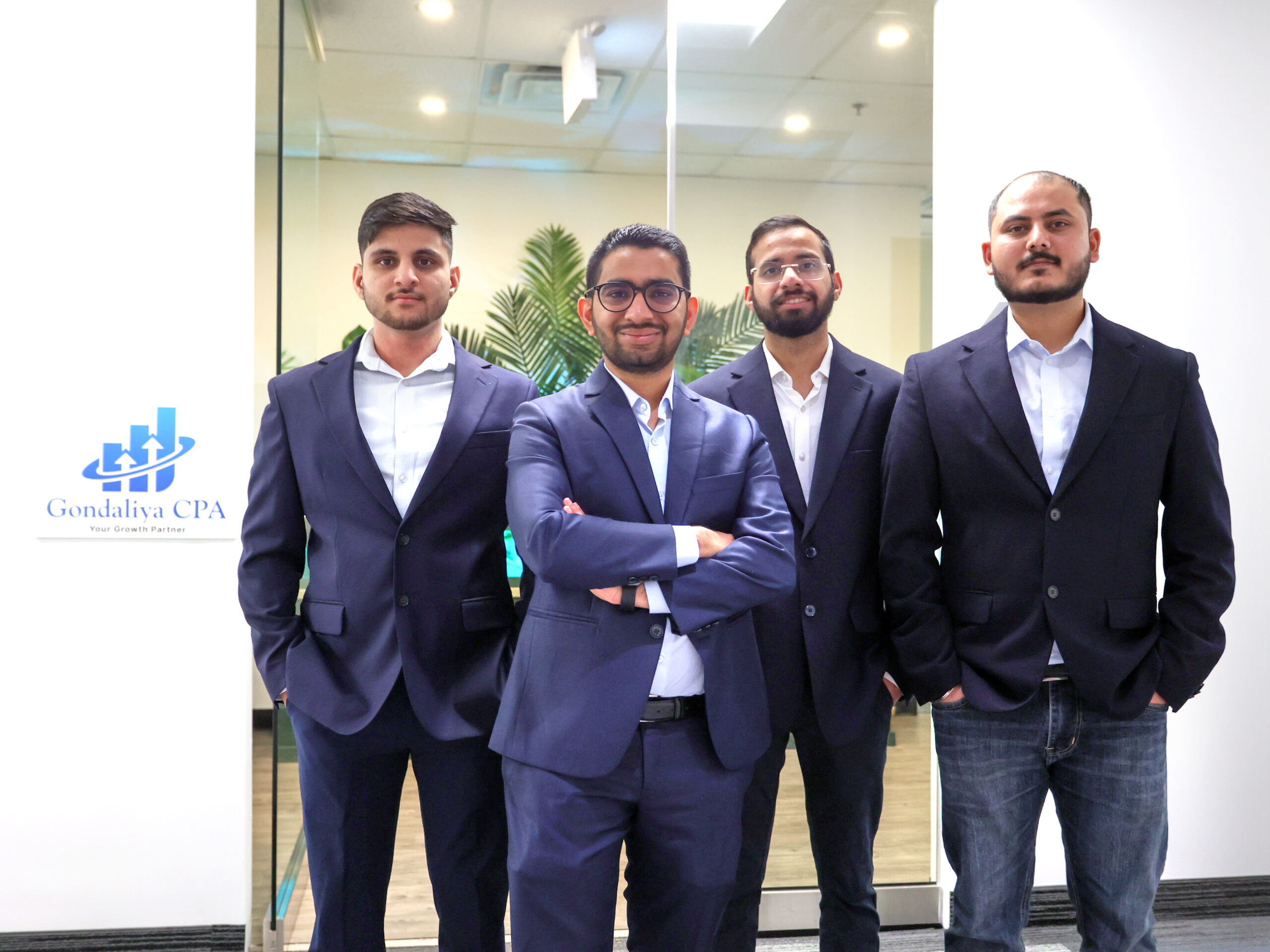
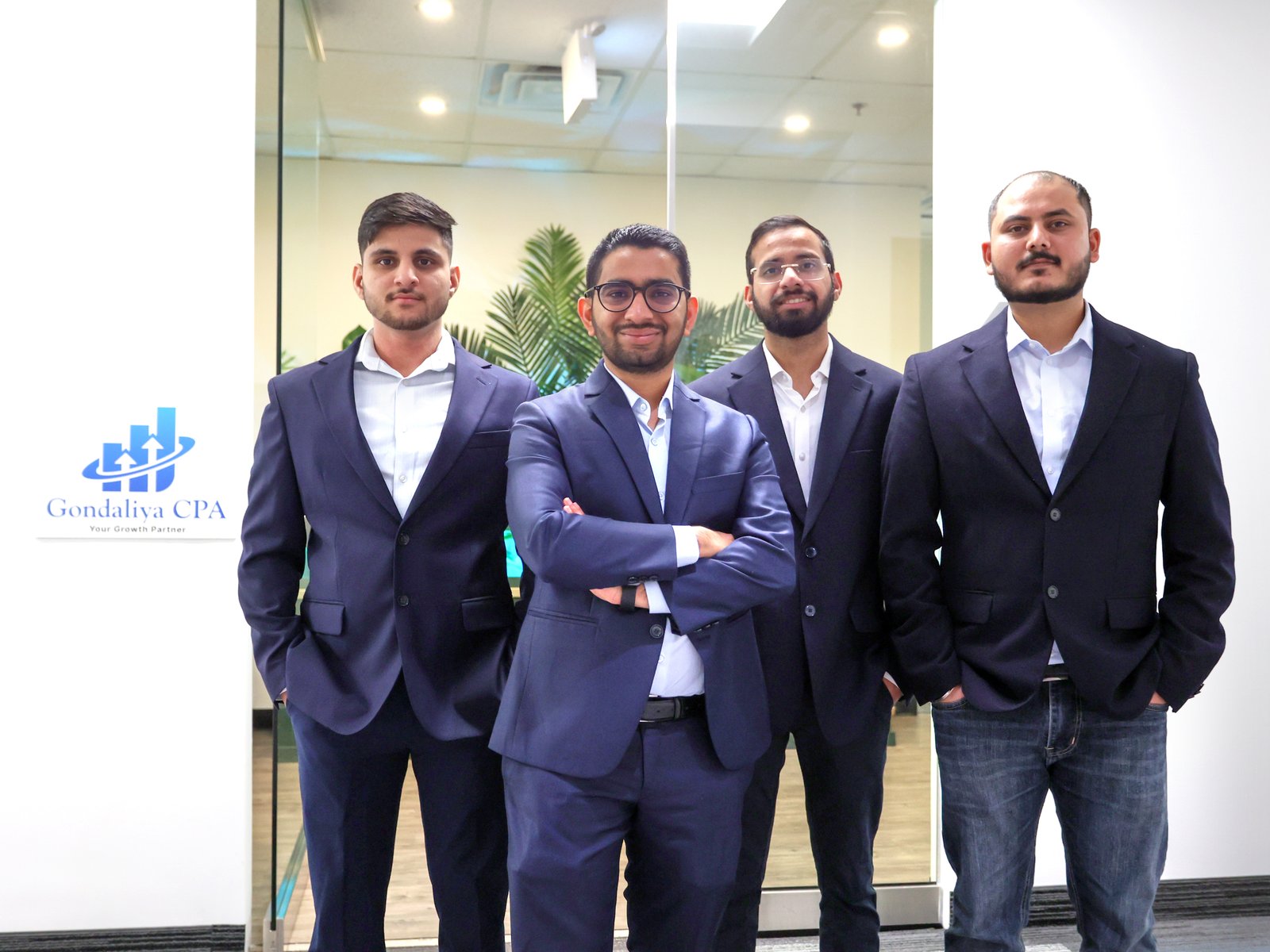
This is the team that will carry your arcade file. The same two people prepare it every year, so nobody has to relearn how your floor is counted.

What Our Clients Say
Owners of coin-operated floors, amusement routes and independent venues have left this practice over thirteen hundred five-star Google reviews.
Serving Arcades Across Ontario
Our CPA team provides specialized accounting and tax solutions for arcades and amusement operators throughout Ontario. We understand why a bank deposit on its own does not prove what a cabinet earned, why a machine bought to be resold is not equipment, what a placement agreement has to settle before the revenue can be presented, and what CRA looks at first when it opens a coin-operated file.
Toronto (ON)
55 Queen St E Ste 1205, Toronto, ON M5C 1R6, Canada
+1 (647) 212-9559
9:00 AM – 8:30 PM (Mon – Sun)
Mississauga (ON)
2100 Camilla Rd #716, Mississauga, ON L5A 2J8
+1 (647) 212-9559
9:00 AM – 8:30 PM (Mon – Sun)
Brampton (ON)
4 Starhill Crescent, Brampton, ON L6R 2P9, Canada
+1 (647) 212-9559
9:00 AM – 8:30 PM (Mon – Sun)
Scarborough (ON)
24 Clementine Square, Scarborough, ON M1G 2V7, Canada
+1 (647) 212-9559
9:00 AM – 8:30 PM (Mon – Sun)
Vaughan (ON)
19 Cabinet Crescent, Woodbridge, ON L4L 6H9, Canada
+1 (647) 212-9559
9:00 AM – 8:30 PM (Mon – Sun)
Oshawa (ON)
210 Durham St, Oshawa, ON L1J 5R3, Canada
+1 (647) 212-9559
9:00 AM – 8:30 PM (Mon – Sun)
Ottawa (ON)
2090 Neepawa Ave a314, Ottawa, ON K2A 3L6, Canada
+1 (647) 212-9559
9:00 AM – 8:30 PM (Mon – Sun)
Etobicoke (ON)
60 Stevenson Rd #1601, Etobicoke, ON M9V 2B4, Canada
+1 (647) 212-9559
9:00 AM – 8:30 PM (Mon – Sun)
Hamilton (ON)
70 Starling Dr, Hamilton, ON L9A 0C5, Canada
+1 (647) 212-9559
9:00 AM – 8:30 PM (Mon – Sun)
Guelph (ON)
1155 Gordon St, Guelph, ON N1L 1S8, Canada
+1 (647) 212-9559
9:00 AM – 8:30 PM (Mon – Sun)
Windsor (ON)
4387 Guppy Ct, Windsor, ON N9G 2N8, Canada
+1 (647) 212-9559
9:00 AM – 8:30 PM (Mon – Sun)
North York (ON)
150 Graydon Hall Dr #912, North York, ON M3A 3B2, Canada
+1 (647) 212-9559
9:00 AM – 8:30 PM (Mon – Sun)
Arcade Accounting & Tax FAQs
Related Industries We Serve
Accountant for Family Entertainment Centres
- Prepaid play held as deferred revenue
- Attraction pools and disposals
- Corporate tax filing and statements
Accountant for Escape Rooms
- Advance bookings and deferred revenue
- Build cost as capital or repair
- Corporate tax planning and payroll
Accounting and Tax Services for Small Businesses
- T2 filing and year-end statements
- HST returns and input tax credits
- Bookkeeping, payroll and planning
Accountant for Incorporated Businesses
- Small business deduction protected
- Salary and dividend mix set yearly
- Corporate tax filing and CRA support
Arcade Accounting & Tax Done Right.
T2 filing built on a revenue chain that holds: cabinet meter readings reconciled to the coin and note count, the count reconciled to the bank deposit, every period and in writing, with books and records kept the six years ITA section 230 requires. Money taken for tokens and prepaid credits not yet played carried as deferred revenue under ITA 12(1)(a) with the reserve in ITA 20(1)(m). Cabinets held to earn in Class 8 at 20%, entry terminals and computers in Class 50 at 55%, the fit-out as a leasehold improvement in Class 13, and machines bought to restore and resell held as inventory at the lower of cost and net realizable value. Placement agreements tested for principal versus agent and the determination documented. Recapture under ITA 13(1) settled whenever a cabinet is sold or traded out. AFFORDABLE flat fees, no hourly billing. Licensed CPA Ontario. 1300+ five-star reviews. 30-Day Money-Back Guarantee.